Weak coffee is almost always one of two things: you are using less coffee than you think, or your machine is not getting the water hot enough. Everything else on this list is real but rarer. Work through them in this order and you will find it — and note that "buy better beans" is nowhere near the top, because a weak brew makes expensive coffee taste weak too.
First, a distinction that saves a lot of wasted effort. Weakmeans not enough coffee flavor — thin, watery, dilute. Sour means sharp and acidic, like under-ripe fruit. They often arrive together, because both come from under-extraction, but they can be separate: a correctly extracted brew that is simply too dilute tastes weak without tasting sour. If sourness is the dominant note, sour vs bitter espressois the better page. And if the coffee tastes both weak and bitter at once, skip to cause six — that combination has a single specific explanation.
1. You are using too little coffee (the most common cause by far)
Almost everyone who brews by volume under-doses, because a scoop is not a fixed amount of coffee: grind size and roast level change how much fits in it, and a darker roast is less dense than a lighter one. The Specialty Coffee Association's brew standards work in ratios by weight for exactly this reason. A sensible starting point for filter coffee is around 1:16 — 60g of coffee per litre of water, or roughly 2 tablespoons per 6oz cup — and most people who complain of weak coffee are well under it. Weigh the coffee once and you will usually find the answer immediately. The coffee-to-water ratio guide has the numbers per brewer.
2. The water is not hot enough
This is the cause people never suspect and the one that is hardest to fix, because it is the machine rather than the recipe. The NCA puts the extraction window at 195 to 205°F, and a large share of inexpensive drip machines never get there — they brew at 180°F and under, which under-extracts no matter what you do with dose or grind. The tell is that the coffee is weak and the brew basket is full of grounds that still look pale. If you suspect this, the SCA certifies brewers that hold the window, and the better drip machines are ranked on exactly this spec in our best drip coffee makersroundup — the Moccamaster vs Breville Precision Brewer comparison and the OXO Brew 9 Cup review both turn on it. For manual brewing, a variable-temperature kettle removes the variable entirely.
3. The grind is too coarse for the method
Coarse coffee exposes less surface area, so a brew that was dialed for a finer grind stops short. This is the easiest thing to fix and the first thing to try after dose. One caution: going finer increases extraction in general, but past a point it starts over-extracting the fines and you trade weak for bitter. The grind size chart has the target for each brewer.
4. Scale has built up inside the machine
Limescale narrows the water path and coats the heating element, and the first symptom is not an error message — it is cooler water, which means weaker coffee. A machine that used to make good coffee and now makes weak coffee, with no change in beans or recipe, is very often simply overdue a descale. Pod machines are especially prone to it because they heat small volumes fast; how to descale a Keurig and how to descale a Nespresso are the routines, and our descaling supplies page covers what to use.
5. Your brewer is working outside its sweet spot
Most brewers have a minimum batch size, and brewing below it is a reliable way to make weak coffee from a correct recipe. A 12-cup drip machine making two cups spreads a shallow bed of coffee across a full-size basket, so water channels around it rather than through it. The same is true of percolators and of large French presses. If you regularly brew small, buy a brewer sized for it — Keurig K-Elite vs K-Mini and our single-serve roundup cover the one-cup end, and the Ninja DualBrew review covers machines that handle both batch sizes.
6. Weak and bitter at the same time: your grinder
If the coffee manages to be watery and harsh simultaneously, and no adjustment helps, the answer is almost certainly a blade grinder. A blade produces dust and boulders in the same batch; in one brew the dust over-extracts (bitter) while the boulders under-extract (weak), so the cup is both at once and grinding finer or coarser just moves the balance. Nothing else in home coffee produces that specific contradiction. A burr grinder is the only fix — see burr vs blade.
7. The coffee is stale, or the brewer is dirty
Last because it is the cause people reach for first. Stale coffee does taste flat, and coffee loses most of its aromatics within a couple of weeks of roasting and within days of being ground — so pre-ground coffee from an open bag genuinely is a cause. How to store coffee beans and how long coffee beans last cover it. A dirty brewer contributes too, though it usually tastes rancid rather than weak. Neither of these is where to start; if your coffee is weak, dose and temperature are far more likely.
Method-specific notes
Pod machines:weak coffee from a pod machine is usually the brew-size button. Choosing a larger cup size with the same pod pushes more water through the same amount of coffee, which dilutes it by design — the fix is a smaller size or a stronger pod, not a different machine. Reusable pods are also a common culprit, because they hold less coffee than a sealed pod and are easy to under-fill.
French press:too short a steep is the usual cause — four minutes is the standard — followed by too coarse a grind. If you are coming to a press from drip and finding it weak, note that the press has no paper filter, so it should taste heavier, not lighter; French press vs drip explains the difference in body.
Pour-over: weak pour-over is usually a pour that finished too fast, which means grind, or water poured down the side of the filter so it bypasses the coffee bed entirely. An immersion-and-release brewer such as the Hario Switch removes the variable by steeping before it drains.
Thermal carafes:a brew that tasted fine and tastes thin an hour later is not weak, it is cooled and oxidized. A good thermal carafe slows that considerably — see best thermal carafe coffee makers and the Breville Luxe Brewer review.
One last thing worth separating: weak-tasting is not the same as low-caffeine. A thin-tasting brew can carry plenty of caffeine and a rich one can carry little, because caffeine extracts early and is driven mostly by dose and method rather than by how strong the cup tastes. If the real question is about the kick rather than the flavor, our caffeine by brewing method page and how much caffeine is in decaf have the numbers.
The three purchases that fix weak coffee, in order
1. A scale — about the price of a bag of beans
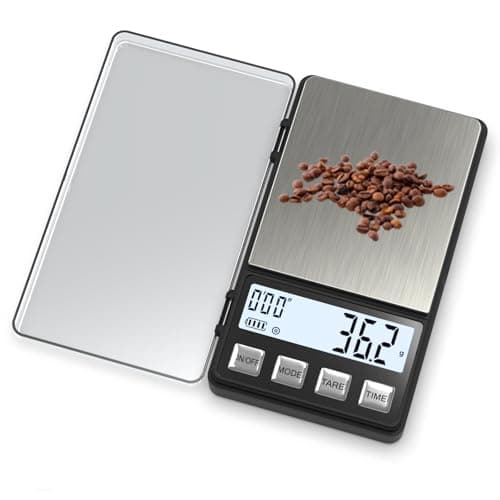
Since under-dosing is the most common cause, a 0.1g scale with a timer is the cheapest real fix available, and it also makes every other adjustment measurable rather than guessed. Buy this before anything else; it will diagnose the problem as well as solve it. Best budget coffee scales covers the cheap end properly.
2. A burr grinder — if you grind at all
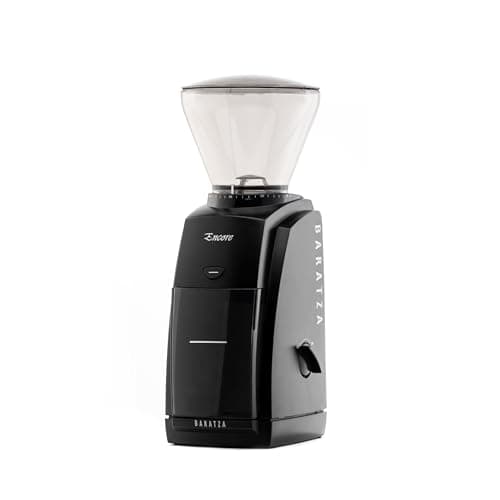
If you currently use a blade grinder or pre-ground coffee, this is the upgrade that changes the most. A burr grinder lets you set a grind and return to it, which is what makes the rest of this page actionable. The plain Baratza Encore is the long-standing default for filter brewing and is designed to be rebuilt rather than replaced; if there is any chance you will make espresso, buy the ESP version instead so the fine range is there. Best burr grinders ranks the field.
3. Temperature control — if you brew by hand
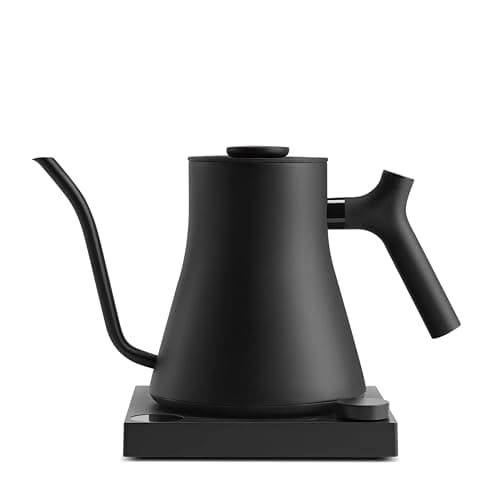
For pour-over and press, a variable-temperature gooseneck kettle removes the second most common cause entirely: you set 200°F and the water is 200°F. The Fellow Stagg EKG Pro is the one we rank first, and a basic gooseneck kettle does the core job for far less. If your weak coffee comes out of an automatic drip machine instead, a kettle will not help — the machine's own brew temperature is the problem, and that is a machine replacement rather than an accessory. Best gooseneck kettles has both ends of that.
What not to buy first
Not beans. A weak brew makes a $25 bag taste like a $7 bag, so upgrading coffee before fixing the recipe mostly wastes the upgrade. And not a new machine, until you have ruled out dose, grind and scale buildup — a descale costs a few dollars and resolves a surprising number of "my coffee maker has gone bad" complaints.