The best bulk coffee beans are Subtle Earth Organic (Medium-Dark, 5 lb) — they are for the heavy-drinking household that gets through a pound a week and wants certified organic whole bean without specialty-bag pricing. The budget pick is Lavazza Gran Crema (2.2 lb), the cheapest big bag here and still a competent, crema-heavy espresso blend. Every price in the Quick Picks table comes from the live price layer (as of November 22, 2026), so check the table rather than this sentence if a number has moved.
Bulk coffee is the one upgrade in this hobby that saves money instead of costing it. A 12 oz specialty bag and a 2 lb bag of the same quality rarely differ much in absolute price, which means the per-ounce gap between them is enormous. That is the whole case for buying big, and it is a good one.
The case against is simpler and it is the reason most bulk buyers end up disappointed: roasted coffee goes flat. Carbon dioxide escapes, oxygen gets in, and the aromatics that make coffee taste like anything are gone long before the beans look or smell wrong. A five-pound bag opened on day one and finished on day ninety is two different coffees. So the real question on this page is not which bag is best — it is which bag matches how fast you actually drink.
The criteria: what we ranked on
1. Cost per ounce, not cost per bag. A $70 bag can be cheaper coffee than a $13 bag. Every pick here is judged on what it costs by weight, which is why the table is worth more than the headline price.
2. Whole bean, always. Bulk coffee is usually sold pre-ground, because pre-ground is cheaper to produce and nobody complains until it is too late. Ground coffee in a two-pound bag is the worst of both worlds: maximum surface area, maximum time. Every pick on this page is whole bean.
3. A profile that survives. Delicate, floral, lot-specific coffees are exactly the ones that lose the most as they age, so the best bulk coffees are the ones built on body and sweetness rather than on fragile top notes.
4. Something checkable behind the claim. Bulk is where unverifiable marketing lives. We rank a bag with a certification, a named region or a published process above one that says "premium" and nothing else.
The picks, and who each one is for
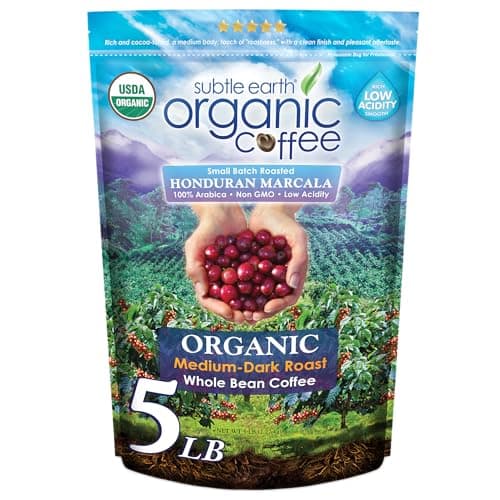
Subtle Earth Organic (Medium-Dark, 5 lb) — the winner, and it is for the household that drinks a lot of coffee and wants the organic certification without the organic price. Five pounds is the largest format here, which is where the per-pound cost falls hardest, and the cup is a smooth, low-acid, chocolatey medium-dark that drinks well black or with milk. Honest cons: five pounds is a great deal of coffee to get through before it stales, and the profile is mellow rather than bright or complex. If you are a one-cup-a-day drinker, this is the wrong bag on this page, not the right one.
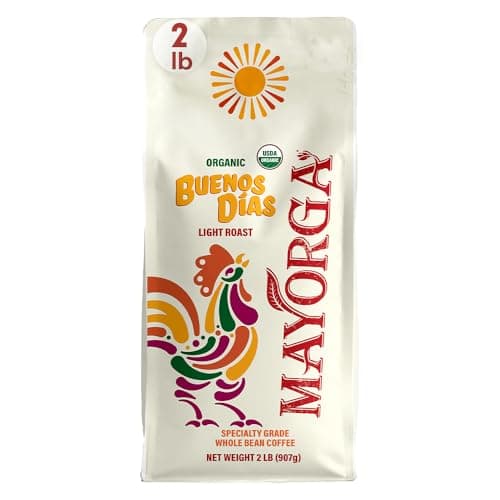
Mayorga Buenos Dias Light Roast (2 lb) — for the light-roast drinker who has been rationing 12 oz bags. This is specialty-grade, USDA Organic, slow-roasted coffee in a two-pound format, which is unusual: light roast is normally where bulk pricing disappears. Mayorga publishes the profile as citrusy and sweet with low acidity, which is the combination that stops a light roast tasting like under-ripe fruit. Honest cons: two pounds is a lot of surface area to keep fresh, so without an airtight container the last half-pound will taste flat, and the Latin American profile is sweet and nutty rather than floral. If you want the wider light-roast field, that page ranks the small bags too.
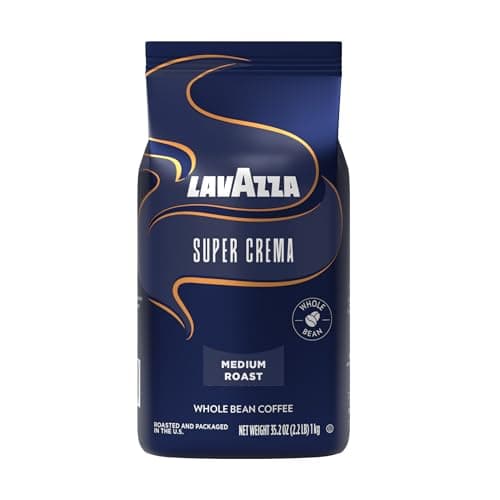
Lavazza Super Crema (2.2 lb) — for the espresso drinker buying in bulk, especially one still learning. The Robusta in the blend builds a thick, stable crema that is forgiving while you dial in, and the profile is mild, nutty and low-acid, so a rough shot still tastes pleasant. Honest cons: forgiving and mild also means it lacks the character of a specialty single origin, and supermarket bags can sit a while — check the roast date when the listing shows one. Our Super Crema review covers it in full.
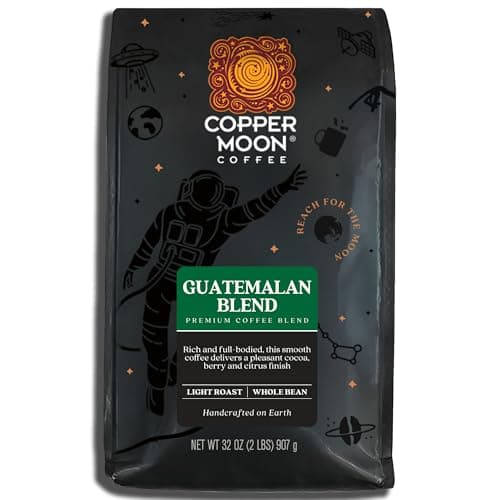
Copper Moon Guatemalan Antigua Light Roast (2 lb) — for the drinker who wants an origin story at bulk pricing. Antigua coffees are known for a nutty-chocolate backbone, which is why this reads as a light roast with body rather than a thin one, and the region is named rather than hidden behind a blend name. Honest cons: it is an Antigua blend rather than a lot-specific single origin, and there is no published roast date — bulk bags tend to sit longer in the supply chain than 12 oz specialty bags.
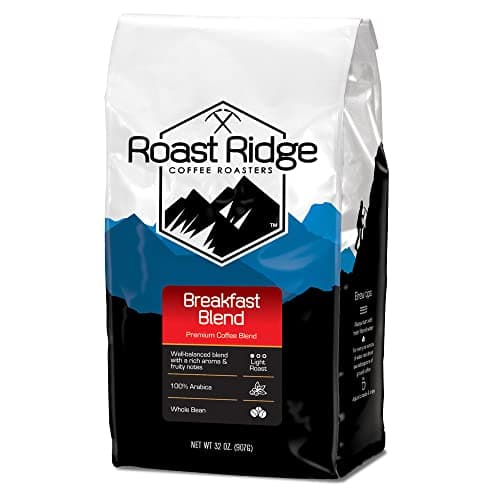
Roast Ridge Breakfast Blend Light Roast (2 lb) — for the office pot or the drip machine that runs all day and nobody is precious about. Two pounds of whole-bean light roast at the price of a small specialty bag, with a breakfast-blend profile built for exactly that job. Honest cons: it is a value brand with no published origin, certification or roast date, and breakfast blends are formulated to be inoffensive, so there is no fruit and no florals here. Buy it for the format, not the flavor.
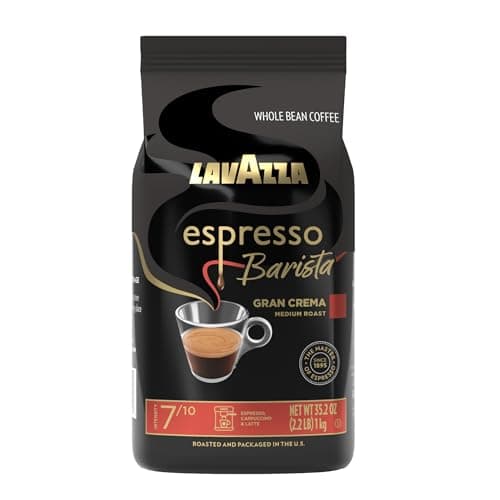
Lavazza Gran Crema (2.2 lb) — the budget pick, and the cheapest way on this page to fill a cupboard with coffee that still tastes like coffee. It is Super Crema's slightly bolder sibling: a touch more body and intensity, the same generous crema that flatters a beginner's shot and cuts through milk. Honest cons: it is still a mellow commercial blend rather than a bright specialty coffee, and it sits so close to Super Crema that the choice between them is a small matter of taste — buy whichever is cheaper the week you order.
The verdict
Heavy household, wants organic, drinks it fast: Subtle Earth Organic. Light-roast drinker tired of rationing: Mayorga Buenos Dias. Espresso, bought by the kilo: Lavazza Super Crema. Origin character on a bulk budget: Copper Moon Guatemalan Antigua. Feeding an office pot: Roast Ridge Breakfast Blend. Lowest cost per cup, full stop: Lavazza Gran Crema. And if you drink less than a pound a month, the honest answer is that bulk is not for you — the cheap-beans page ranks small bags that are still inexpensive, and you will drink better coffee.
Do the freshness arithmetic before you do the price arithmetic
Here is the calculation that decides this purchase, and it takes ten seconds. Count the cups you brew in a week and multiply by roughly 18 grams — a standard dose. Divide the bag weight by that number. Two pounds is about 900 grams, so a household brewing two cups a day gets through it in about five weeks; five pounds is about 2,270 grams, which is three months at the same rate. Anything beyond about a month in an opened bag is where the cup noticeably flattens. If the answer is longer than that, buy the smaller bag: the cheaper coffee you throw away is not cheaper. How long coffee beans last goes through the chemistry.
A bulk bag needs a container, and the bag it came in is not one
The single biggest mistake with bulk coffee is leaving it in its own bag with the tin tie folded over. Those bags are built for shipping and for degassing, not for sealing, and the one-way valve on the front lets gas out without keeping air out once the bag is open. Decant into something airtight and keep the rest sealed. This is the one accessory that genuinely pays for itself on this page — the storage container roundup ranks the options, and how to store coffee beans explains why cupboard, not fridge.
Should you freeze the second half?
For a five-pound bag, yes — with one rule. Split the bag into weekly portions in airtight bags, freeze them, and take out one at a time. What ruins frozen coffee is not the cold, it is the repeated thaw-and-refreeze cycle that condenses moisture onto the beans. Grind from frozen; it works fine and arguably grinds more evenly. Can you freeze coffee beans has the full method, and it is the only technique that makes a five-pound bag sensible for a two-cup-a-day household.
Bulk only pays if you grind it yourself
A two-pound bag of pre-ground coffee is a worse buy than a 12 oz bag of pre-ground coffee, because the staling clock runs much faster on ground coffee and you now have far more of it. That is why every pick here is whole bean, and why a grinder is the prerequisite rather than the upgrade. If you do not own one yet, the best grinders under $100 is the sensible entry, and whole bean vs ground makes the case with the mechanism rather than the vibe.
What bulk pricing does not buy
Two things, and it is worth being clear about both. It does not buy a roast date: most bulk bags publish a best-by date instead, which tells you nothing about when the coffee was roasted. And it does not buy lot-level traceability— bulk coffee is blended for consistency across harvests, which is exactly why it tastes the same every bag and exactly why it will never taste remarkable. If you want a named farm and a roast date, best single origin coffee is the opposite purchase, and the right one for that.