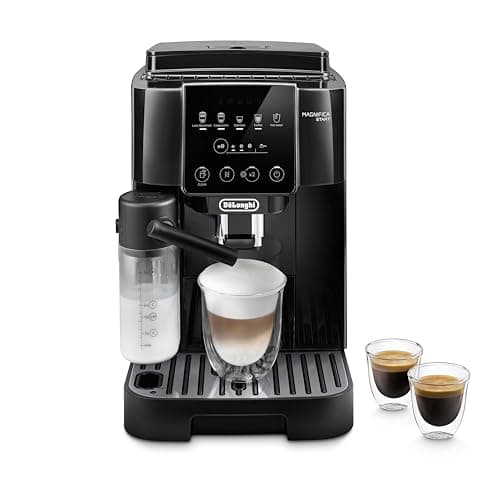
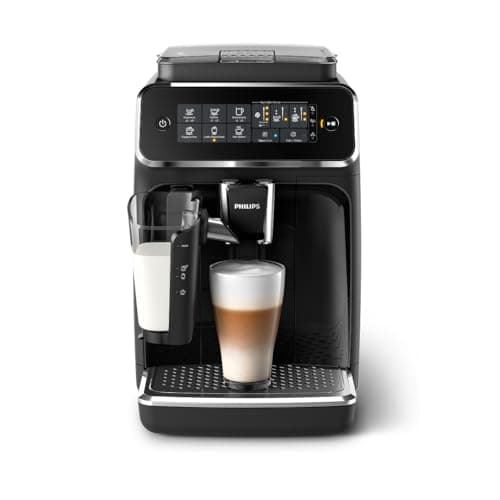
Buy the Philips 3200 Series LatteGo (EP3241)if you want a cappuccino at the push of one button and never want to touch a steam wand — the LatteGo carafe is the single best reason to choose a super-automatic in the first place, and it rinses in two clicks. Buy the De'Longhi Magnifica Start (ECAM22020) if you want the cheaper, narrower, most widely serviced machine and you are happy to froth milk yourself with a wand. Both grind fresh beans and pull a shot at one touch. The espresso is comparable. Milk is the decision.
It is worth saying plainly what neither machine is: a barista tool. A super-automatic hides the variables on purpose. You do not dial in a shot, you do not pour latte art, and you will not beat a Barista Express in the hands of someone who cares. What you get instead is a cup of fresh-ground coffee in under a minute with no technique and almost no cleanup, every day, for years. If that trade is the one you want, these are the two machines to compare.
Milk: the difference you will feel every morning
The Philips 3200 LatteGo uses a two-part milk carafe with no tubes. Milk goes in, you press a drink, the machine froths and pours it, and the carafe comes apart for a rinse under the tap in a couple of clicks. There is no wand to purge, no tube to soak, and no technique to learn. The foam it makes is light and airy rather than the tight microfoam a real steam wand can pull — which matters if you were hoping to pour a rosetta, and does not matter at all if you were hoping for a cappuccino before work.
The Magnifica Start has a manual frother wand. You hold the pitcher, you texture the milk, you purge the wand afterwards. That is more control — with practice, better milk than the LatteGo — and more work, every single time. For some buyers that is a feature, because a manual wand is also the only way to get genuinely good microfoam out of a bean-to-cup machine. For most buyers of a machine like this, it is the thing they were trying to avoid.
If you want to know what you are aiming for with a wand, our how to steam milk guide covers it, and latte vs cappuccino vs flat white explains which drinks the airier LatteGo foam suits best.
Burrs and maintenance
Philips uses 100% ceramic burrs with 12 grind settings, and its line is that ceramic runs cooler and lasts longer than steel. De'Longhi uses steel conical burrs on the Magnifica platform. In the cup, at these price points, this is not a difference you will taste — both are a world away from pre-ground coffee, and both are the reason either machine beats a pod machine on flavor. Treat it as a longevity argument rather than a flavor one.
Maintenance is a more practical split. The Philips takes an AquaClean water filter that reduces how often you have to descale, which is the single most tedious job a bean-to-cup machine gives you. De'Longhi's counter-argument is the service network: the Magnifica platform is the most widely owned and serviced automatic line in the US, so parts and help are everywhere, which is worth something on a machine you intend to keep for a decade. Either way, read how to clean an espresso machine and budget for descaler.
Size, drinks and the interface
The Philips 3200 has a touch display with five drinks at a button. The Magnifica Start has simple physical controls, fewer presets and no screen — which is genuinely a plus for some households, because there is no menu to learn and nothing to misread. The Start is also narrower than most bean-to-cup machines, which decides the question outright in a kitchen with a tight run of counter under the cabinets.
The two machines flanking them
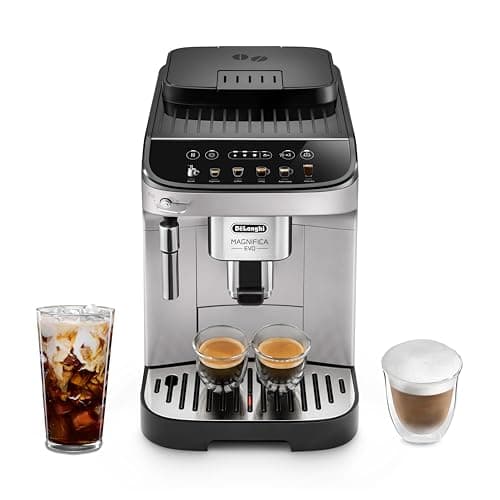
The Magnifica Evois the Start with a bigger drink menu and a cleaner soft-touch interface on the same proven brewing unit. It costs more for interface and menu gains rather than a better shot, and the base configuration still froths manually — so it is the pick if you like De'Longhi and want more drinks, not the pick if you want hands-off milk.
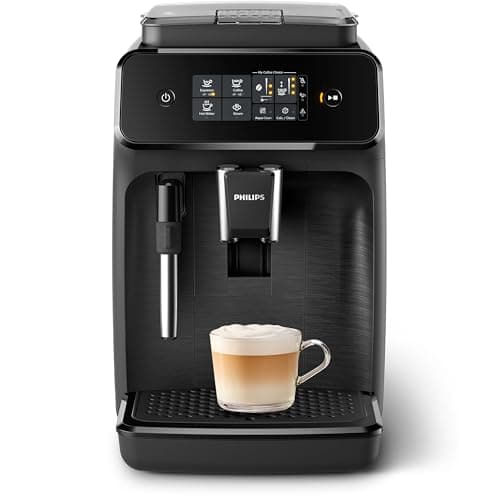
The Philips 1200 Series (EP1220)is the floor of this category: the same 100% ceramic grinder, two presets, a classic frother wand, no screen. It is the cheapest genuine grind-brew-froth automatic worth owning, and if your budget stops short of the 3200, it is a far better buy than stretching to a machine you cannot comfortably afford. What you give up is the LatteGo carafe — which is the entire reason to want a 3200.
The verdict
For a household that drinks milk drinks, the Philips 3200 LatteGo is the machine, and the LatteGo is why. For a household that mostly drinks black coffee and espresso, the Magnifica Startdoes the same core job for less money in a narrower body with the best service network in the category — and the wand is there when someone wants a cappuccino. Decide on milk first and the rest follows. If you are still unsure whether a super-automatic is right at all, our best super-automatic espresso machines roundup has the wider field.
What a super-automatic gives up, and what it does not
It gives up control. There is no 58mm portafilter, no tamping, no pre-infusion to adjust, no grind-to-yield relationship you get to tune. The machine decides. That is why an enthusiast will tell you the shot is not as good as a semi-automatic's, and they are right at the top end.
What it does not give up is freshness, and that is the part people underrate. Coffee starts losing aromatics within minutes of grinding, which is why pre-ground coffee makes dull cups in any brewer. Both of these machines grind whole beans immediately before brewing, every cup. That one fact is why a bean-to-cup machine beats a pod machine on flavor by a margin you can taste, and why it is a legitimate upgrade for someone who was never going to tamp anything.
Buy beans for the grinder, not for the blend
Super-automatics do not love oily beans. Very dark, oily roasts can clog a hopper and gum up a burr chamber over time, and both manufacturers advise against them. Medium roasts are the safe home for these machines, which is convenient, because medium roast is also where most of the balance lives. Our best medium roast coffee roundup is the list to shop from, and the best beans for lattes is the one to read if the LatteGo is doing most of the work.
The three recurring costs
Beans are the big one and the one you want to spend on. Water filtersare the Philips tax — AquaClean cartridges are consumable, and they are the mechanism by which you descale less often, so skipping them just moves the cost to descaler and your time. Descaler is unavoidable on both; hard water decides how often. If your water is hard, read water for espresso before you blame the machine for a flat cup.
When neither of these is the right machine
If you want to learn espresso, buy a semi-automatic instead — the best espresso machines for beginners is the right page. If you want cafe-quality milk texture and latte art, a super-automatic will frustrate you permanently; that is a steam wand job. And if what you actually want is one-button convenience and you do not care about fresh grinding, a pod machine is cheaper and smaller — see Nespresso vs an espresso machine for that trade.