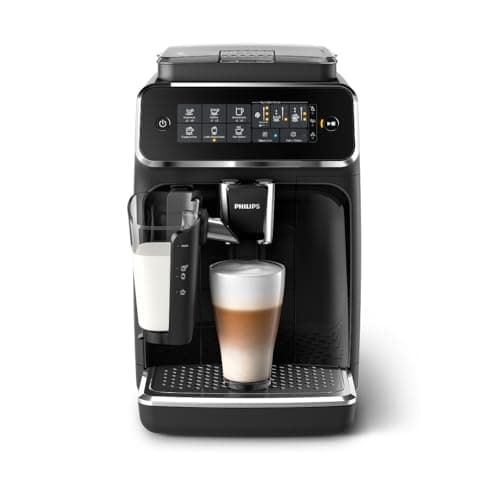
The best super-automatic espresso machine under $1,000 is the Philips 3200 Series LatteGo — it is for the person who wants a cappuccino at a button and does not want to learn a steam wand, because the LatteGo carafe froths and then rinses in two clicks with no technique at all. The budget pick is the Philips 1200 Series, the cheapest machine here that still genuinely grinds, brews and froths: fewer presets, no display, same 100% ceramic grinder. Every pick below sat under $1,000 at the last price check (as of November 22, 2026) — the Quick Picks table carries each machine's live price and the same stamp, and if a number has moved since, trust the table over this sentence.
A super-automatic — the category is also sold as "bean-to-cup" or "fully automatic" — grinds, doses, tamps, brews and usually froths at a single button. There are no variables for you to adjust and no technique to acquire, which is the point and also the limitation. You will not pull a better shot than the machine decides to pull, and you will not pour latte art. What you get instead is fresh-ground espresso every morning with no routine, which for a lot of households is the correct trade. If it is not yours, read best semi-automatic espresso machines instead.
The $1,000 band is where milk automation starts and stops
Under a grand you can have automatic grinding and brewing on every machine here. What separates them is milk. The Philips 3200 LatteGo and the Magnifica Evo offer one-touch or near one-touch milk drinks; the Magnifica Start, the Gaggia Brera and the Philips 1200 give you a wand and expect you to froth. Above this band, machines add integrated milk carafes with cleaning cycles, touchscreens with a dozen drinks, and genuinely better foam — the De'Longhi Dinamica and Jura E8 sit there and are outside this page's ceiling.
So the first question is not which machine but which milk routine you want. If "press a button, get a cappuccino" is the whole reason you are buying a super-automatic, buy the LatteGo and stop reading. If you are happy to spend twenty seconds with a wand — and get more control over the result — the Magnifica Start and the Brera are better machines for less money. That is a genuine fork, not a ranking.
Who each pick is for
Philips 3200 LatteGo: the one-touch milk pick, with 100% ceramic burrs that Philips rates to run cooler than steel, 12 grind settings, a touch display with five drinks, and an AquaClean filter that cuts descaling frequency. One honest caveat we will not bury: Philips has superseded it with the 3300 Series (EP3341), which adds SilentBrew and iced presets for roughly similar money. Buy the 3200 on a real discount; at price parity, the newer machine is the better buy.
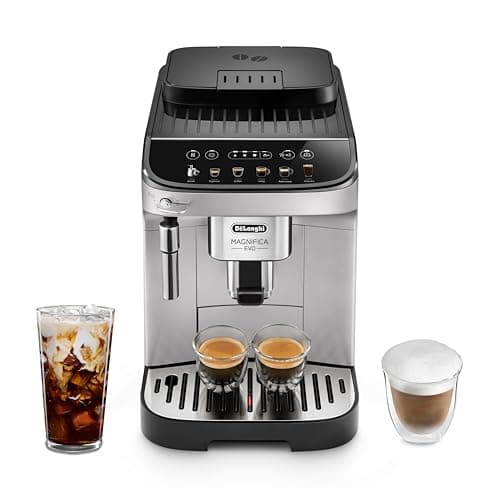
De'Longhi Magnifica Evo: the refined mid-range choice — more drink options and a cleaner soft-touch interface than the Start, steel burrs with 13 settings, and the well-proven Magnifica brewing unit that is the reason De'Longhi automatics have the service reputation they do. It comes in manual and automatic-frother configurations, so check which one a listing is actually selling.
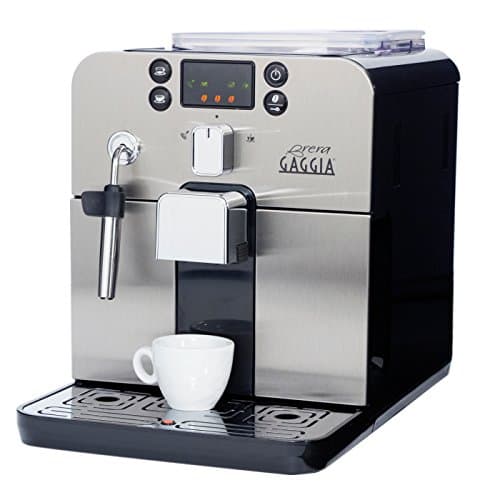
Gaggia Brera: the compact pick with a real Pannarello steam wand, so you texture milk yourself instead of having it done for you. Genuinely small for bean-to-cup, ceramic burrs, front-loading maintenance and easy brew-group access. Older design, smaller drink menu, no touchscreen.
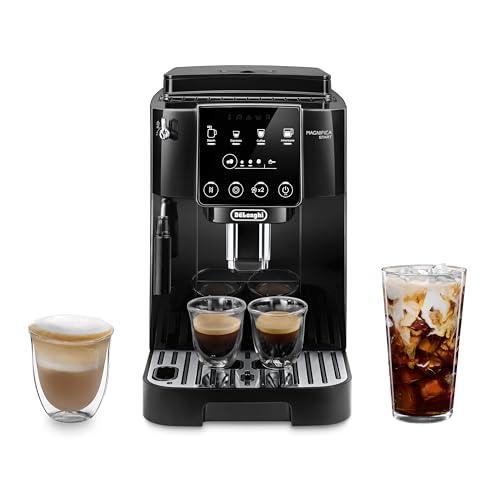
De'Longhi Magnifica Start: the simple, dependable one. A conical burr grinder with 13 settings, a manual frother wand, a narrower body than most bean-to-cup machines, and controls with no menu to learn. It costs more than the Philips 1200 and buys you De'Longhi's service network and a better-proven brew group.
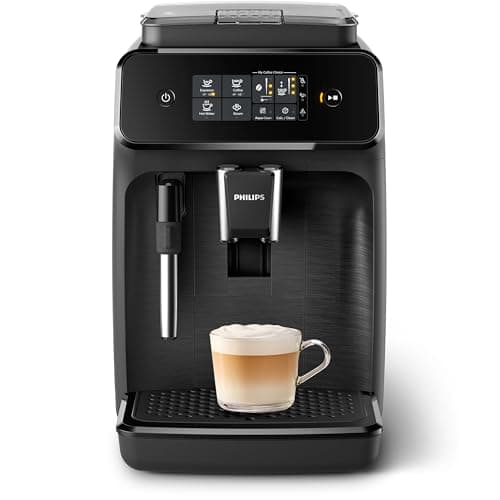
Philips 1200 Series: the budget pick — the cheapest machine on this page that is a genuine grind-brew-froth automatic rather than a pod machine with ambitions. Two presets, no display, a classic aerating frother. If your requirement is "fresh-ground espresso at a button for the least money," this is it, and the money you save buys a lot of good whole bean coffee.
The verdict
One-touch milk under $1,000: Philips 3200 LatteGo, bought on discount. Best all-round machine in the band: Magnifica Evo. Smallest footprint with milk control: Gaggia Brera. Simplest and most serviceable: Magnifica Start. Cheapest real bean-to-cup: Philips 1200. And the caveat that applies to all five: a super-automatic hides every variable by design, so if you want to learn espresso, this entire category is the wrong purchase — best espresso machines under $1,000 puts semi-autos and super-autos in the same band so you can see the trade directly. If your ceiling is half this one, best super-automatic espresso machines under $500 ranks the four machines that fit it.
What "under $1,000" actually buys in this category
Every machine on this page grinds whole beans to order, tamps and brews without you touching anything, and has some way of heating milk. None of them lets you adjust brew ratio the way a semi-automatic does, and none produces the tight microfoam a manual wand can. The band is wide enough that the cheapest and the most expensive pick here differ by a factor of roughly two, and that difference goes almost entirely into milk automation, presets and the display — not into the espresso itself. That is worth knowing before you pay for the top of the band.
Ceramic burrs vs steel burrs
Philips fits 100% ceramic grinders and rates them to run cooler and last longer than steel; De'Longhi fits steel conical burrs. Both produce an acceptable espresso grind inside a sealed machine where you cannot see or clean them easily. The practical difference for an owner is smaller than the marketing suggests — what matters more is how many grind settings the machine exposes (12 on the Philips 3200, 13 on the Magnifica Evo) and whether you can get to the brew group to clean it. The Brera's front-loading access is a real advantage in year three.
Descaling is the maintenance that decides lifespan
Super-automatics die of scale more than anything else, because they heat water constantly and have narrow internal passages you cannot reach. Philips' AquaClean filter is worth using for exactly this reason; De'Longhi sells its own water filters. Either way, descale on the machine's schedule rather than when it starts complaining — descaling and cleaning supplies covers what to buy, and water for espresso explains why your tap water decides how often you need to. If you live somewhere hard, a filter is not optional at this price.
The milk-system cleaning problem nobody mentions in reviews
Any machine that moves milk through tubing has to be cleaned daily, and the design determines whether that is two clicks or a chore. The LatteGo carafe is two parts with no tubes, which is the specific reason it is the one-touch pick here rather than a generic "automatic frother" machine. A Pannarello wand on the Brera needs wiping and purging after each use — thirty seconds, forever. Neither is hard; both are daily. Pick the one you will actually do, because milk left in a machine overnight is the start of every super-automatic horror story.
When to skip the category entirely
Three cases. If you want latte art, buy a semi-automatic with a real wand and a pitcher. If you want the best possible shot per dollar, buy a Bambino Plus and a grinder — the same money buys noticeably better espresso when you control the variables. And if you drink one or two black coffees a day rather than milk drinks, a good drip machine or an AeroPress makes a better cup for a tenth of the price. Super-automatics win on convenience for households making several milk drinks daily, which is a specific and common situation — just not a universal one.