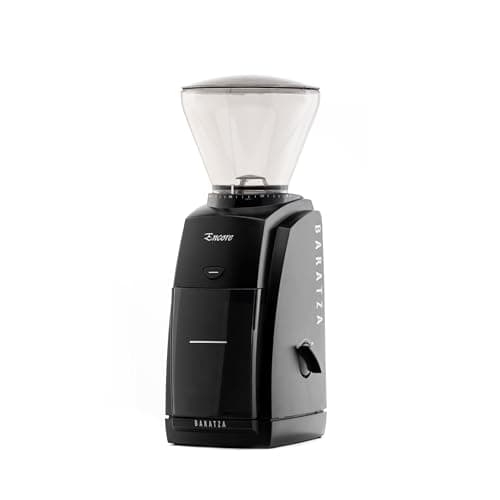
The best grinder for cold brew is the Baratza Encore — it is for anyone who brews cold brew and filter coffee and wants one grinder to do both, because its 40 settings are weighted toward exactly the coarse end cold brew lives at and Baratza sells every part if something breaks. The budget pick is the OXO Brew Conical Burr Grinder: the cheapest electric here that still produces a genuinely even coarse grind, with a timer and a 12 oz hopper that makes a 100 g cold-brew dose a single operation rather than four.
Cold brew is the easiest brew method to make well and the one that exposes a bad grinder fastest, which surprises people. The reason is time. An espresso shot is over in 28 seconds, so a few fine particles over-extract slightly and you may not notice. Cold brew steeps for twelve to twenty-four hours, which is long enough for every fine particle in the batch to extract completely — and completely extracted fines taste bitter, muddy and astringent. A blade grinder produces a bag of powder and gravel, and in cold brew the powder becomes the dominant flavor. That is why "just grind it coarse" is not a specification a cheap grinder can meet.
What cold brew actually asks for
Two things. First, a coarse, even grind — roughly the texture of raw sugar or coarse sea salt, with as few fines as the grinder can manage. Our coffee grind size chart has reference textures for each method. Second, and this is the part roundups skip: dose size. A standard cold-brew batch uses 100 to 200 g of coffee, which is five to ten times an espresso dose. A grinder that handles 20 g at a time technically works and practically does not.
That second requirement is why the honest budget answer here is a $100 electric rather than a $25 hand grinder. We do recommend cheap hand grinders elsewhere on this site — hand grinders covers the case for them — but hand-cranking 150 g of coffee is ten minutes of work, every batch, and small-capacity mills like the SimCoker cap out at about 20 g a round. Cold brew is the one method where a hopper and a motor earn their money.
Who each pick is for
Baratza Encore: the all-round answer. It has been the default first burr grinder for over a decade specifically because it does filter, French press and coarse brewing well, and it is fully rebuildable — parts on a shelf rather than landfill. It does not grind fine enough for good espresso, which is irrelevant here and relevant if your plans change; the Encore ESP is the version that covers both.
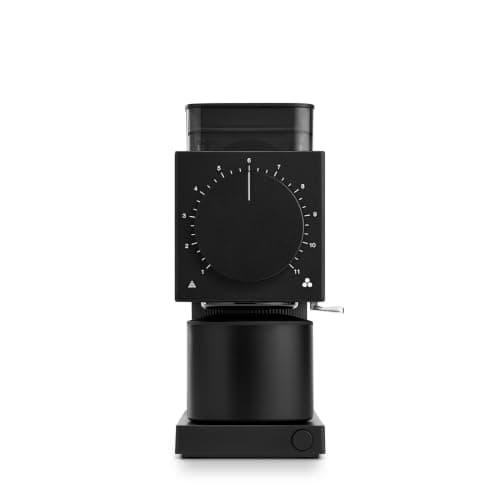
Fellow Ode Gen 2: the upgrade. Its 64 mm flat burrs cut a tighter particle distribution than any conical grinder on this page, which means fewer fines in the steep — the single variable cold brew cares about most. Near-zero retention means what you weigh in is what you brew. The trade is price and single-dosing: you weigh beans in for each batch, and a 100 g+ cold-brew dose means loading it in rounds. Read our full Ode Gen 2 review before spending that much, and Fellow Ode alternatives if the price is the sticking point.
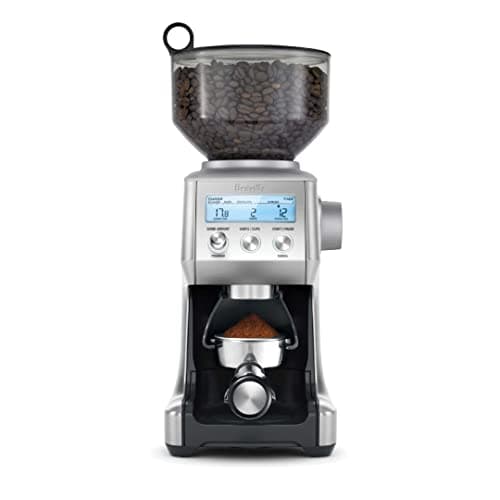
Breville Smart Grinder Pro: the one to buy if you make big batches on a schedule. 60 settings spanning espresso to French press, and a programmable dose timer that grinds a measured amount into a container without you standing there. For a weekly two-litre cold brew habit that is the most useful feature on this page. Stepped adjustment is slightly coarser-grained than stepless, which matters for espresso and not at all for cold brew.
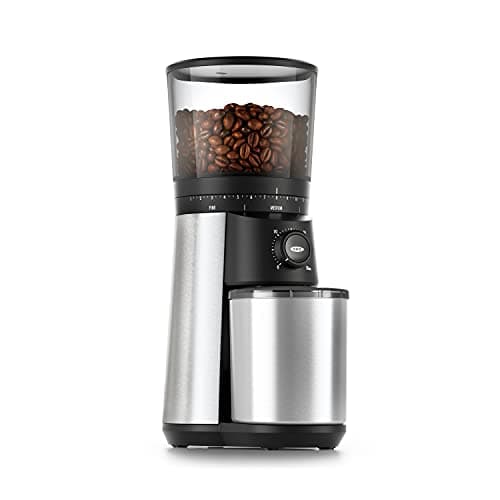
OXO Brew Conical Burr Grinder: the budget pick — the cheapest grinder here that does the job properly. A real burr grind for less than the Baratza, a timer for repeatable dosing, 15 settings with micro-adjust, and a 12 oz hopper. It cannot grind fine or consistently enough for espresso and OXO does not pretend otherwise, which is exactly why it is good value for a filter-and-cold-brew household. It is an appliance rather than a repairable platform.
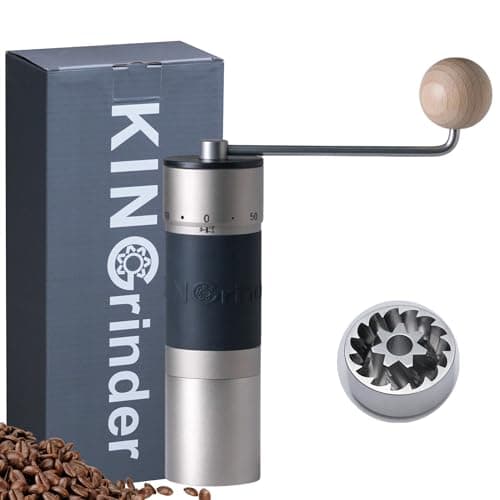
KINGrinder K6: the pick for anyone who wants no mains power — camping, an office drawer, a kitchen with no spare outlet. External numbered adjustment makes it easy to return to a coarse setting, the steel burrs are consistent, and it undercuts pricier hand grinders. Be clear-eyed about the work: grinding a full cold-brew dose by hand is a real arm session, and this is the pick you choose for portability, not for convenience.
The verdict
Buy the Encore if you want one grinder for cold brew and everything else filter-shaped. Buy the OXO if you want the cheapest version of that answer. Buy the Smart Grinder Pro if you batch on a timer or also pull espresso. Buy the Ode Gen 2 if the cup is the point and the budget allows it — it is a genuinely better grind, not a nicer-looking one. Buy the K6 if the grinder has to work without electricity. Then pair it with the brewing side: best cold brew coffee makers and best coffee for cold brew are the two pages that finish the setup.
How coarse is coarse, exactly
Aim for grounds that look like raw sugar or coarse sea salt — individual particles you can see clearly, with no visible dust. On a Baratza Encore that is near the top of the dial; on the OXO it is the coarsest two or three of the 15 settings; on the Smart Grinder Pro it is the French press end of the 60. If your cold brew comes out thin and sour, go finer. If it comes out muddy, harsh or drying, go coarser or check your filtration. The full reference is in our grind size chart, and how to make cold brew has the ratio and timing.
Why fines matter more in cold brew than anywhere else
Extraction is a function of surface area and time. Cold water extracts slowly, which is why cold brew steeps for hours rather than minutes — but over twelve to twenty-four hours, very small particles reach full extraction and keep sitting in the water. What you taste from a fully extracted fine is the bitter, astringent end of the compound range. This is also why cold brew made with a blade grinder is often described as muddy: the problem is not the method, it is the particle distribution. Burr vs blade explains the mechanism, and it is the single largest upgrade available to a cold-brew drinker.
Dose size changes which grinder is sensible
Work out your batch before you buy. A common cold-brew recipe is 1:5 coffee to water for a concentrate — so a 1 litre concentrate needs roughly 200 g of coffee. Weigh it with a kitchen or coffee scale rather than scooping, because volume measures drift with grind size. Then check the grinder: hopper-fed electrics (Encore, OXO, Smart Grinder Pro) take that in one go; single-dose grinders like the Ode take it in rounds; hand grinders take it in rounds and in effort. None of these is disqualifying, but the difference between "press a button" and "ten minutes of cranking" is worth knowing before you commit.
Filtration finishes the job the grinder started
Even a good grinder makes some fines, and how you filter decides whether they end up in the glass. A fine-mesh basket in a dedicated cold-brew maker catches most; a paper filter afterward catches nearly all and gives a notably cleaner cup. If your cold brew is gritty, the fix is usually a second filtration rather than a different grinder. Our cold brew maker roundup covers which designs filter well, and cold brew vs iced coffee is worth reading if you are not certain which drink you are actually trying to make.
Keeping a coarse setting repeatable
Two habits. First, write the setting down — on the Encore and the OXO the dial has numbers, so a note on your phone gets you back to last week's batch. Second, keep the burrs clean. Coffee oils and stale grounds build up and change what a given setting produces, which is the usual explanation for a grinder that was dialed in a month ago and now tastes wrong. How to clean a coffee grinder has the routine. And store the beans properly in between — cold brew's long steep is forgiving of a lot, but not of beans that have been open to air for a month. A proper airtight container protects what you already paid for.