Skip to content
Bean & Burr

HUB 06 · Learn

What Is Coffee Blooming?

The thirty seconds at the start of a pour-over that most people skip. It is free, it takes no equipment, and it also happens to be the best freshness test you have.

By Stephen V.Updated How we research
#ad

We earn a commission when you buy through our Amazon links, at no extra cost to you. It never affects our rankings, and we say so when the cheaper product is the better buy. How this works.

Blooming is pouring a small amount of hot water over your ground coffee, waiting about 30 to 45 seconds, and then brewing as normal.The grounds swell and bubble — that is carbon dioxide escaping. Do it and your coffee extracts more evenly, which generally means sweeter and less sour. It costs nothing and needs no equipment, which makes it the best free upgrade in brewing.

And it does something else useful that nobody advertises: the size of the bloom is a freshness gauge. A big, energetic, domed bloom means genuinely fresh coffee. A flat puddle that barely moves means the beans are old. You get that information every morning, for free, before you taste anything.

What is actually happening

Roasting creates carbon dioxide inside the bean, and the bean holds onto a lot of it. After roasting, coffee off-gasses that CO2for days — this is exactly why roasters put one-way valves on their bags, so the gas can escape without letting oxygen in. Grinding ruptures the structure and releases much of it at once, and hot water drives out the rest rapidly.

That gas is a problem during brewing because it physically gets in the way. CO2 coming off the grounds pushes water away from the coffee particles, creating dry pockets and channels where water runs around the bed instead of through it. The result is uneven extraction: some grounds over-extract while others are barely touched, and the cup tastes simultaneously harsh and thin. Blooming gets the gas out before the brew that matters, so the main pour meets coffee that is already wetted and settled.

How to do it

1. Grind and dose as usual, and level the bed so it is flat. 2. Pour roughly two to three times the weight of your coffee in water — for 20 g of coffee, 40 to 60 g of water. Enough to wet every ground, not enough to start brewing properly. 3. Pour in a slow spiral from the centre out, so you wet the whole bed rather than drilling a hole in the middle. 4.Optionally give it a gentle stir or swirl — this wets any dry pockets, and on a flat-bottom brewer it helps noticeably. 5. Wait 30 to 45 seconds, then continue with the rest of your pour.

Use water at the normal brewing temperature, 195–205°F — the bloom is not a separate cooler step. Water temperature for coffee covers hitting that without a thermometer.

Reading the bloom

A tall, foamy dome that keeps rising:very fresh, likely roasted within the last week or two, and still off-gassing hard. Very fresh coffee can be awkward to brew for exactly this reason — consider a slightly longer bloom, up to 45 seconds or a little more.

A modest, even rise that settles in half a minute: the sweet spot. Coffee roughly one to four weeks off roast, which is where most coffee tastes its best.

Almost nothing — the water just sinks in: the CO2 is long gone, which means the aromatics largely are too. The NCA puts roasted whole beans at one to three weeks of real freshness at room temperature, and a dead bloom is what the end of that window looks like in the dripper. No technique recovers it; how long coffee beans last and freezing are the ways to stop getting there.

Which brewers benefit

Pour-over (V60, Chemex, flat-bottom): the biggest benefit, because the bed is open and channelling is the main failure mode. Always bloom. AeroPress: worth doing; stir after wetting. French press:yes — wet the grounds, wait thirty seconds, then fill. It noticeably reduces the dry clumps that otherwise float on top. Drip machines:you cannot do it by hand, but this is why "bloom" or "pre-infusion" appears on better machines, and several SCA-certified brewers list a blooming function — see SCA certified coffee makers. Espresso:the equivalent is pre-infusion, which wets the puck at low pressure before the full nine bar — espresso pre-infusion covers it. Moka pot and cold brew:not applicable — a moka pot has no stage at which to do it, and cold brew's long steep makes it irrelevant.

The short answer

Quick picks

#ProductBest forScorePrice
01
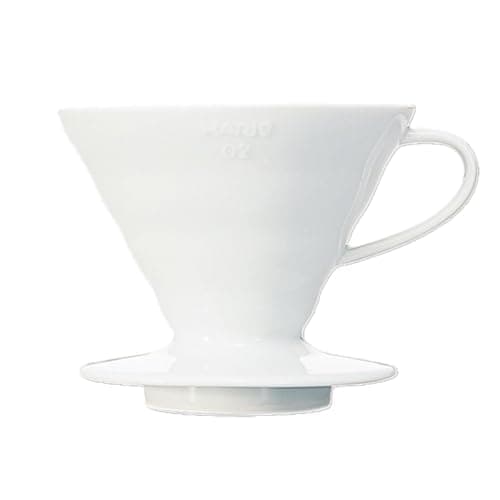
Hario Hario V60 Dripper (02)
Hario V60 Dripper (02)

The world's default pour-over cone. Cheap, brilliant, and endlessly rewarding to learn.

The classic pour-over starting point
8.2
$25.00Amazon
02
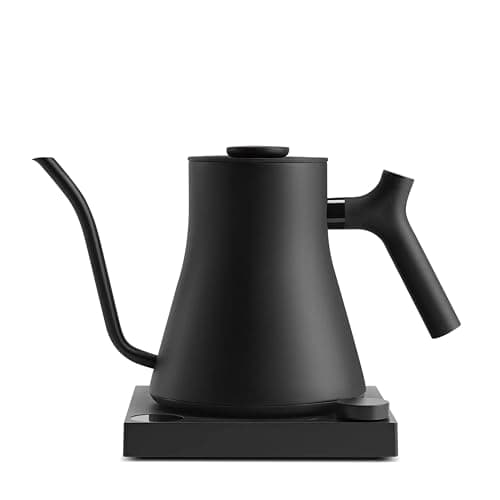
Fellow Fellow Stagg EKG Pro Electric Kettle
Fellow Stagg EKG Pro Electric Kettle

The pour-over kettle enthusiasts actually want — precise gooseneck, 1°F temperature control, a brew timer.

The best electric gooseneck kettle
8.5
$179.95Amazon
03
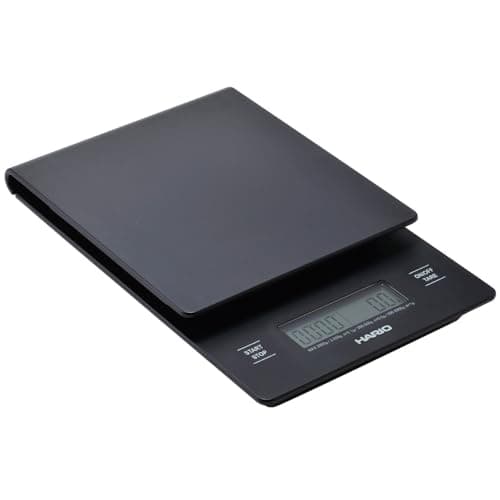
Hario Hario V60 Drip Scale
Hario V60 Drip Scale

The pour-over scale from the people who make the V60. Simple, roomy, and reliable.

Pour-over and drip brewers
8.0
$46.11Amazon

#ad · Live prices from the Amazon Product API, as of October 20, 2026. Where we have no verified live price, we show none — we would rather leave a gap than print a number that has rotted.

In detail

The picks, in full

01
Hario Hario V60 Dripper (02)

The classic pour-over starting point

Hario V60 Dripper (02)

60° coneSpiral ribsSingle large holeCeramic
8.2/10

The world's default pour-over cone. Cheap, brilliant, and endlessly rewarding to learn.

Brew quality
9
Ease of use
6
Build quality
9
Versatility
7
Value
10

Pros

  • The cone shape and single big hole give you total control over flow and extraction — the reason it's the enthusiast default
  • Costs almost nothing and pairs with cheap filters
  • Produces a clean, bright, articulate cup that shows off good beans

Cons

  • The control is a double edge — a sloppy pour makes a mediocre cup, so it rewards a kettle and a bit of practice
  • You'll want a scale and ideally a gooseneck kettle to get the most from it

Don't buy this if…

…you want to walk away while it brews. Pour-over is hands-on for two to three minutes — if that's a chore, a French press or a drip machine is the set-and-forget option.

$25.00View on Amazon

$30.5018% off

Price as of October 20, 2026. Prices change — Amazon's is the one that counts.

#ad · we may earn a commission from this link to Hario V60 Dripper (02)

02
Fellow Fellow Stagg EKG Pro Electric Kettle

The best electric gooseneck kettle

Fellow Stagg EKG Pro Electric Kettle

Electric, variable tempTo-the-degree controlPrecision gooseneck spoutBrew stopwatch
8.5/10

The pour-over kettle enthusiasts actually want — precise gooseneck, 1°F temperature control, a brew timer.

Build quality
9
Does the job
9
Ease of use
9
Value
7

Pros

  • The gooseneck spout gives the slow, precise pour that controls a pour-over — the single biggest technique upgrade for filter coffee
  • Sets temperature to the degree and holds it, which matters because different roasts and methods want different water temps
  • A built-in brew timer and a genuinely beautiful counter object

Cons

  • Premium price for a kettle — the Cosori does the core job for a third of the cost
  • 0.9L capacity is modest for boiling large amounts

Don't buy this if…

…you only make French press or drip. The gooseneck's precision is wasted if you're not hand-pouring — a normal kettle boils water for less.

$179.95View on Amazon

Price as of October 20, 2026. Prices change — Amazon's is the one that counts.

#ad · we may earn a commission from this link to Fellow Stagg EKG Pro Electric Kettle

03
Hario Hario V60 Drip Scale

Pour-over and drip brewers

Hario V60 Drip Scale

0.1g resolutionTimerLarger platformFrom Hario
8.0/10

The pour-over scale from the people who make the V60. Simple, roomy, and reliable.

Build quality
8
Does the job
8
Ease of use
8
Value
8

Pros

  • A wider platform suits a full V60 or Chemex on top, where espresso scales are cramped
  • Clean, simple operation with a timer, from the brand that defined modern pour-over
  • Reliable and well-regarded for daily filter brewing

Cons

  • Larger and less espresso-tray-friendly than a compact espresso scale
  • No flow-rate feature — it's a straightforward weight-and-time scale

Don't buy this if…

…you're mainly making espresso. Its footprint is built for a brewer on top — a compact espresso scale like the TIMEMORE fits under a portafilter better.

$46.11View on Amazon

$60.0023% off

Price as of October 20, 2026. Prices change — Amazon's is the one that counts.

#ad · we may earn a commission from this link to Hario V60 Drip Scale

What blooming asks of your gear

Nothing, strictly. You can bloom with a mug of hot water and a spoon. But three things make it easier to do consistently, and they are the three things that make pour-over consistent generally: a brewer with an open bed, a kettle you can pour slowly and accurately with, and a scale so "two to three times the coffee weight" is a number rather than a guess.

The picks, and what each one is actually for

Hario V60 Dripper (02).The brewer where blooming matters most and the cheapest serious piece of coffee equipment there is. Its cone and large single hole mean you control the flow with your pour, which is exactly why the bloom step pays off here — and exactly why channelling punishes you if you skip it. Our V60 review has the detail and Chemex vs V60 compares the two classics.

Fellow Stagg EKG Pro.A gooseneck kettle is the tool that makes a controlled spiral pour possible at all — a normal kettle dumps water in a wide, fast stream that gouges the bed, which is the opposite of what a bloom needs. The Stagg adds to-the-degree temperature setting, a hold function so it stays there while you grind, and a stopwatch for timing the bloom. The cheaper gooseneck kettles do the same job with a plainer interface.

Hario V60 Drip Scale.Scale plus timer in one unit, sized for a dripper and carafe. Both halves matter for blooming: the scale makes the bloom water a measured amount rather than a splash, and the timer turns "about thirty seconds" into thirty seconds.

Common mistakes

Too much bloom water. If liquid is running into the carafe during the bloom, you have started brewing rather than wetting. Two to three times the coffee weight is the target. Blooming too long. Past about a minute the grounds cool and you have introduced a cold start to your brew; 30 to 45 seconds is the useful range. Pouring into the middle only. A central puddle leaves the outer ring dry, which is the channelling you were trying to prevent. Blooming pre-ground supermarket coffee and expecting a show. There is no CO2 left in it; a dead bloom there is information, not a technique failure.

Where blooming sits in the order of improvements

Blooming is free, so do it regardless. But if the cup is disappointing, it is not the first fix: fresher beans, then an even grind from a burr grinder, then a correct ratio, then temperature, then technique like this. Blooming makes a good brew more consistent; it does not rescue stale coffee or a blade-ground dose. Our how to make pour-over coffee guide puts the whole sequence in order, and best grinders for pour-over covers the grind half.
How we picked

We do not run a testing lab

We compiled published manufacturer specifications, computed what each option costs to run where relevant, and cross-referenced aggregated owner reviews, then scored each product against a published rubric. The scores are judgments from documented research — they are not measurements we took, because we do not have a lab and we are not going to pretend we do. Where a number came from a manufacturer or a standard, we name it in Sources.

Questions

Frequently asked

What is coffee blooming?
Pre-wetting your ground coffee with a small amount of hot water — about two to three times the weight of the coffee — and waiting 30 to 45 seconds before brewing the rest. The bubbling you see is carbon dioxide escaping from the grounds. Getting that gas out first lets water move evenly through the bed during the real brew.
How long should you bloom coffee?
30 to 45 seconds for most coffee. Very fresh beans — roasted within a week or two — off-gas harder and can take a little longer. Past about a minute the grounds cool down and you are brewing with a cold start, so there is no benefit in waiting longer.
Does blooming coffee actually make a difference?
Yes, and it is most noticeable in pour-over. Without a bloom, escaping CO2pushes water away from the grounds and creates channels, so part of the bed over-extracts while part is barely wetted — which tastes harsh and thin at once. It makes less difference with older coffee, simply because there is less gas left to get rid of.
Why doesn't my coffee bloom?
Almost always because the coffee is not fresh — the CO2 has already escaped. Pre-ground coffee and beans more than a month or two past roast produce little or no bloom. Water that is too cool can also mute it. A flat bloom is a reliable signal about your beans rather than a problem with your method.
How much water should I use for the bloom?
Two to three times the weight of the coffee — so 40 to 60 g of water for a 20 g dose. Enough to wet every ground without liquid running through into the carafe. If it is dripping out during the bloom, you used too much.
Should you stir the bloom?
A gentle stir or a swirl of the whole brewer helps, because it wets dry pockets that the pour missed. It makes the most difference on flat-bottom brewers and in a French press. Be gentle on a V60 — aggressive stirring disturbs the bed and can push fines into the filter, slowing the drawdown.

Keep reading

Receipts

Sources

We do not run a testing lab, and we do not pretend to. Where a measured number came from a manufacturer spec sheet or a published standard, we name it and link it. Where we could not verify something, we say so on the page rather than quietly leaving it out. Read our full method.