Skip to content
Bean & Burr

HUB 05 · Coffee Beans

The Best Coffee Beans for AeroPress

An AeroPress flatters bright, clean coffee in a way a drip machine cannot - which means the beans most people reach for are the wrong ones.

By Stephen V.Updated How we research
#ad

We earn a commission when you buy through our Amazon links, at no extra cost to you. It never affects our rankings, and we say so when the cheaper product is the better buy. How this works.

For most AeroPress drinkers the bag to buy is Stumptown Hair Bender— a medium-roast specialty blend with enough fruit and sweetness to show what the brewer can do, and enough body that it does not go thin when you brew it strong. If you want the clearest demonstration of why people love AeroPress, buy Volcanica Ethiopian Yirgacheffe: bright, floral, and exactly the kind of coffee the paper filter makes sparkle. For an everyday bag that also handles your other brewers, Volcanica Colombian Supremo is the safe, balanced choice. And if you want something smooth, low-risk and widely available, Illy Classico is the one.

The useful thing to know before choosing: an AeroPress is a filter brewer wearing an espresso costume.It brews under gentle pressure, but it pushes the water through a paper filter, and paper traps oils and fines. That makes the cup clean and transparent — closer in character to a pour-over than to espresso — which means the beans that shine in it are filter beans, not espresso blends.

What to look for, in priority order

1. Roast date, over everything else on the bag. This is not a tie-breaker, it is the main variable. The NCA puts roasted whole beans at one to three weeksof real freshness at room temperature in proper storage. A specialty bag roasted ten days ago beats a "better" bag roasted four months ago, every time. Buy bags with a roast date printed on them rather than only a best-by date.

2. A medium roast, as the default.Light roasts are denser and more acidic, and in an AeroPress they can read as sharp unless you push the water temperature and steep time up. Dark roasts bring the roast flavour forward and bury origin character, and the clean paper-filtered cup leaves nowhere for that bitterness to hide. Medium is where the AeroPress is most forgiving and most interesting at once — see best medium roast coffee for the wider field and light vs dark roast for the mechanism.

3. Whole bean, always.Ground coffee stales in one to two weeks by the NCA's own numbers, against one to three for beans, because the surface area exposed to oxygen is vastly larger. An AeroPress is a cheap brewer that makes a very good cup; feeding it stale grounds is the one way to waste it. Whole bean vs ground has the detail.

4. Single origin, if you want to taste the difference.A blend is built for consistency and is usually the safer everyday purchase. A single origin is built to taste of somewhere, and the AeroPress's clean cup is one of the best ways to actually perceive that at home. Best single origin coffee covers the category.

The picks

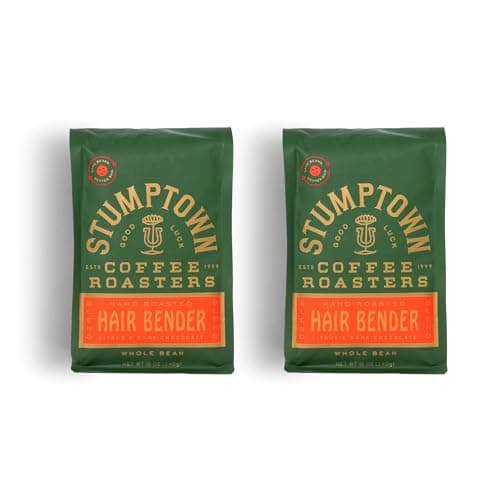
Stumptown Hair Bender.The all-round answer and the bag we would hand someone who just bought an AeroPress. It is a medium-roast blend built across origins to have both fruit and chocolate, so it is interesting without being so acidic that a slightly off brew turns sour on you. It is also genuinely versatile — it works in a pour-over and as espresso — so a bag is not committed to one brewer. The honest con is price: it is specialty coffee at specialty money. Our full review has more.

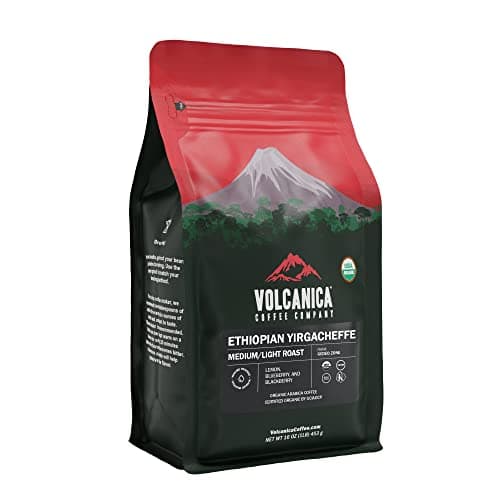
Volcanica Ethiopian Yirgacheffe.The pick for the AeroPress's actual strength. Yirgacheffe is the classic bright, floral, citrus-and-tea Ethiopian profile, and the paper filter's clarity is what lets you perceive it instead of it being muddied by oils. This is the bag that explains to a sceptic why an AeroPress is worth owning. The caveat is that bright coffee is less forgiving: get the grind too coarse or the water too cool and it reads as sour rather than fruity. Brew it a touch finer and hotter than you would a medium blend.

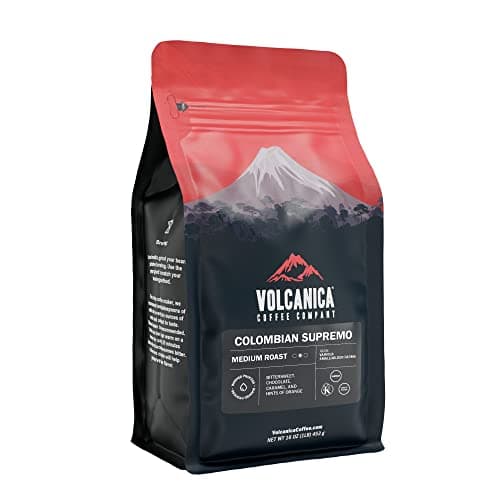
Volcanica Colombian Supremo. The sensible everyday bag. Balanced, sweet, nutty, with enough body to brew strong and enough neutrality that it suits drip and espresso too. If you own several brewers and want one bag in the cupboard rather than three, this is the one. It will not surprise you, which is exactly the point.

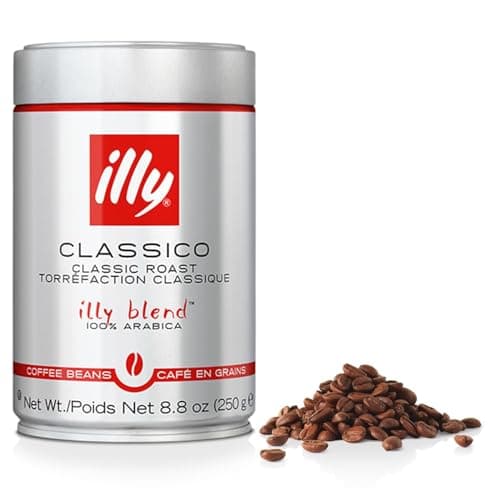
Illy Classico. The low-risk, easy-to-find option. All-Arabica, smooth, and consistent to a degree most roasters cannot match, which is the real argument for it: a tin of Illy tastes the same in March as it did in October. It leans toward the espresso end of the spectrum and is a medium roast rather than a light one, so expect smooth and chocolatey rather than fruity. See the Illy Classico review.

What about espresso blends in an AeroPress?

They work — nothing breaks — but they are usually a downgrade here, and it is worth saying plainly because "AeroPress makes espresso" is a persistent myth. An espresso blend is roasted darker and built to taste right when concentrated to a 1:2 ratio at nine bar through a metal basket. An AeroPress brews at a fraction of that pressure through paper at something closer to filter ratios. You get the roast's bitterness without the syrupy body that balances it. If you specifically want the espresso-style concentrate the AeroPress can make, a darker blend makes more sense — and best coffee beans for espresso is the right page for that.

The short answer

Quick picks

#ProductBest forScorePrice
01
Stumptown Stumptown Hair Bender (Medium Roast)
Stumptown Hair Bender (Medium Roast)

A specialty roaster's flagship. Complex, versatile, and a real step up from supermarket blends.

Trading up to specialty coffee
8.5
$47.97Amazon
02
Volcanica Volcanica Ethiopian Yirgacheffe (Whole Bean)
Volcanica Ethiopian Yirgacheffe (Whole Bean)

A bright, floral single-origin Yirgacheffe — organic and made for pour-over, where its citrus notes shine.

Bright, aromatic pour-over and filter
7.5
$22.99Amazon
03
Volcanica Volcanica Colombian Supremo (Whole Bean)
Volcanica Colombian Supremo (Whole Bean)

A balanced, nutty-caramel Colombian Supremo that works across every brew method — the versatile everyday single-origin.

One bean that does drip, pour-over, and espresso
8.0
$21.99Amazon
04
illy Illy Classico Whole Bean
Illy Classico Whole Bean

The polished, consistent 100% Arabica option. Smoother and cleaner than the Robusta blends.

A smooth all-Arabica espresso
7.8
$14.44Amazon

#ad · Live prices from the Amazon Product API, as of October 20, 2026. Where we have no verified live price, we show none — we would rather leave a gap than print a number that has rotted.

In detail

The picks, in full

01
Stumptown Stumptown Hair Bender (Medium Roast)

Trading up to specialty coffee

Stumptown Hair Bender (Medium Roast)

Medium roast100% ArabicaCitrus & dark chocolate notesSpecialty roaster
8.5/10

A specialty roaster's flagship. Complex, versatile, and a real step up from supermarket blends.

Flavor
9
Espresso suitability
8
Versatility
9
Value
8

Pros

  • A genuine specialty coffee with real complexity — citrus brightness over dark-chocolate depth
  • Versatile enough to shine as espresso or as pour-over, which many single-purpose beans aren't
  • Roasted by a respected specialty house, so freshness and sourcing are a cut above the grocery blends

Cons

  • Costs more per ounce than the Lavazza and Peet's blends
  • The brighter profile is less forgiving of sloppy espresso technique than a Robusta crema blend

Don't buy this if…

…you're still learning to dial in espresso and want maximum forgiveness. A bright medium roast punishes mistakes — start on Lavazza Super Crema and graduate to this.

$47.97View on Amazon

Price as of October 20, 2026. Prices change — Amazon's is the one that counts.

#ad · we may earn a commission from this link to Stumptown Hair Bender (Medium Roast)

02
Volcanica Volcanica Ethiopian Yirgacheffe (Whole Bean)

Bright, aromatic pour-over and filter

Volcanica Ethiopian Yirgacheffe (Whole Bean)

Ethiopian YirgacheffeSingle-originUSDA OrganicWhole bean
7.5/10

A bright, floral single-origin Yirgacheffe — organic and made for pour-over, where its citrus notes shine.

Flavor
9
Espresso suitability
6
Versatility
8
Value
7

Pros

  • Classic Yirgacheffe character — bright, floral, and citrusy — that makes filter and pour-over sing
  • Single-origin and USDA Organic, so you know what you're drinking and where it's from
  • A genuinely high-quality specialty bean for the money

Cons

  • Its bright, delicate profile suits filter far more than espresso, where it can turn sour
  • Lighter, nuanced coffee is less forgiving of sloppy brewing than a bold blend

Don't buy this if…

…you mainly pull espresso or like dark, bold coffee. A balanced Colombian Supremo works better as a shot — this Ethiopian is a filter bean at heart.

$22.99View on Amazon

Price as of October 20, 2026. Prices change — Amazon's is the one that counts.

#ad · we may earn a commission from this link to Volcanica Ethiopian Yirgacheffe (Whole Bean)

03
Volcanica Volcanica Colombian Supremo (Whole Bean)

One bean that does drip, pour-over, and espresso

Volcanica Colombian Supremo (Whole Bean)

Colombian SupremoSingle-originWhole beanMedium roast
8.0/10

A balanced, nutty-caramel Colombian Supremo that works across every brew method — the versatile everyday single-origin.

Flavor
8
Espresso suitability
7
Versatility
9
Value
8

Pros

  • Balanced, nutty, caramel-sweet flavor that's easy to like and works in almost any brewer
  • Versatile enough to pull a decent espresso and make a great drip cup from the same bag
  • Quality single-origin coffee at a fair price

Cons

  • Its balanced approachability means it's less distinctive than a bright single-origin or a dedicated espresso blend
  • A medium roast, so fans of dark, punchy coffee may want more intensity

Don't buy this if…

…you want a standout aromatic filter cup or a dark espresso. The Ethiopian Yirgacheffe is brighter for pour-over — this Colombian is the do-everything all-rounder.

$21.99View on Amazon

Price as of October 20, 2026. Prices change — Amazon's is the one that counts.

#ad · we may earn a commission from this link to Volcanica Colombian Supremo (Whole Bean)

04
illy Illy Classico Whole Bean

A smooth all-Arabica espresso

Illy Classico Whole Bean

100% ArabicaMedium roastPressurized canNotes of caramel & blossom
7.8/10

The polished, consistent 100% Arabica option. Smoother and cleaner than the Robusta blends.

Flavor
8
Espresso suitability
8
Versatility
8
Value
7

Pros

  • 100% Arabica gives a smoother, cleaner, less bitter shot than the Robusta-blended crema beans
  • illy's consistency is legendary — the can tastes the same every time, which some people value above all else
  • The pressurized can keeps the beans fresh longer than a paper bag on a shelf

Cons

  • All-Arabica means a thinner, more delicate crema than the Lavazza blends
  • Sold in smaller cans, so the price per pound is higher

Don't buy this if…

…you want maximum crema for milk drinks on a budget. The Robusta in Lavazza Super Crema makes thicker crema for less money — illy is about smoothness, not thickness.

$14.44View on Amazon

Price as of October 20, 2026. Prices change — Amazon's is the one that counts.

#ad · we may earn a commission from this link to Illy Classico Whole Bean

The ratio and grind to brew these at

Start at 1:15 to 1:16by weight — around 15 g of coffee to 240 ml of water for a standard mug — at a medium-fine grind, roughly table-salt texture. The standard method: coffee in, water in, stir, steep about a minute, plunge over about thirty seconds. That is the baseline from which everything else is an adjustment. Coffee to water ratio has the full table.

Adjust by what you taste, one change at a time. Sour or thin means under-extracted: grind finer, steep longer, or use hotter water. Bitter or dryingmeans over-extracted: grind coarser or steep shorter. The brightness of a light or medium-light bag is the thing most often mistaken for sourness — sour vs bitter covers how to tell them apart.

Water temperature matters more with these beans

Bright single origins are the beans most sensitive to brew temperature. Water off a rolling boil is too hot and will scorch a light roast; water that has sat for five minutes is too cool and will under-extract it, which tastes sour. Aim for just off the boil — around 200°F for a medium roast, and at the hotter end of the window for a light one like the Yirgacheffe. Water temperature for coffee has the numbers and how to hit them without a variable kettle.

Buy the size you will finish in three weeks

This follows directly from the freshness numbers and it is the most common way people waste money on good beans. A 5 lb bag at a bulk price is not a saving if the last two pounds are stale when you reach them. For one AeroPress a day, a 12 oz bag is roughly three weeks of coffee, which lines up with the NCA's one-to-three-week window almost exactly. If you do buy big, keep the working week out and freeze the rest — freezing is the one method that genuinely extends coffee for months, done properly.

Store it in something opaque and airtight

Air, moisture, heat and light are the four things that stale coffee, per the NCA, and the bag it came in only addresses some of them once it is open. An opaque airtight canister is the cheap fix; a clear jar on a sunny counter is actively bad. Best coffee storage containers ranks the options and Airscape vs Fellow Atmossettles the head-to-head most people end up at. Do not keep beans in the fridge — the NCA puts refrigerated beans at about two weeks, which is worse than a cool cupboard.

The grinder is half of this

Good beans through a blade grinder make a worse cup than ordinary beans through a burr grinder, because a blade produces dust and boulders at once and the paper filter can catch the dust but cannot rescue the boulders. If you are buying specialty bags, a burr grinder is not optional — best grinders for AeroPress covers the field, including why a hand grinder is a genuinely good match for this brewer.
How we picked

We do not run a testing lab

We compiled published manufacturer specifications, computed what each option costs to run where relevant, and cross-referenced aggregated owner reviews, then scored each product against a published rubric. The scores are judgments from documented research — they are not measurements we took, because we do not have a lab and we are not going to pretend we do. Where a number came from a manufacturer or a standard, we name it in Sources.

Questions

Frequently asked

What are the best coffee beans for an AeroPress?
A fresh medium-roast specialty coffee, bought whole bean with a roast date on the bag. Stumptown Hair Bender is our all-round pick; Volcanica Ethiopian Yirgacheffe is the one that best shows what the brewer can do, because the paper filter gives a clean cup that lets bright, floral coffee come through clearly.
What roast is best for AeroPress?
Medium, as a default. Light roasts can taste sharp unless you brew hotter and longer; dark roasts bring roast bitterness forward and the clean paper-filtered cup gives it nowhere to hide. Medium is the most forgiving and still interesting. If you brew the espresso-style concentrate, a darker roast makes more sense.
Can you use espresso beans in an AeroPress?
Yes, but it is usually a downgrade. An espresso blend is roasted and built for a concentrated 1:2 shot at nine bar through a metal basket; an AeroPress brews at a small fraction of that pressure through paper at filter ratios, so you get the darker roast's bitterness without the syrupy body that normally balances it.
How much coffee should I use in an AeroPress?
Around 15 g of coffee to 240 ml of water — a 1:15 to 1:16 ratio — for a standard mug. The chamber comfortably holds roughly 11 to 18 g, so the dose is a real constraint: you cannot fix weak coffee by adding more, which makes grind and ratio the levers you have.
Should I buy single origin or a blend for AeroPress?
A blend is the safer everyday bag and is built for consistency. A single origin is where an AeroPress is genuinely special, because the clean cup lets you taste the origin instead of the roast. If you own one bag at a time, buy a balanced blend; if you want to taste the difference between coffees, buy single origins.
Does the roast date really matter that much?
More than the brand. The NCA puts roasted whole beans at one to three weeks of real freshness at room temperature, and ground coffee at one to two. A good bag that was roasted months ago will make a flatter cup than an ordinary bag roasted last week, so prefer bags that print a roast date over bags that only print a best-by date.

Keep reading

Receipts

Sources

We do not run a testing lab, and we do not pretend to. Where a measured number came from a manufacturer spec sheet or a published standard, we name it and link it. Where we could not verify something, we say so on the page rather than quietly leaving it out. Read our full method.