The best Baratza Encore alternative is the Baratza Encore ESP — it is for the person who liked everything about the Encore except its one real limitation, because it keeps the same parts-forever platform and adds the fine range the plain Encore cannot reach. The budget pick is the OXO Brew Conical Burr Grinder: the cheapest electric burr grinder we rank, and genuinely good at the filter job the Encore is bought for.
First, what the Encore is actually good at, because an alternatives page that opens by running down the original is not worth reading. The Baratza Encore has been the default answer to "my first burr grinder" for more than a decade, and it earned that. It uses 40 mm conical steel burrs with a stepped macro dial, and for drip, French press and pour-over it produces a consistency that blade grinders cannot approach at any price. More importantly, Baratza built a company around keeping it running: a one-year warranty that covers parts and labor including free ground shipping to and from their repair facility, published troubleshooting and video repair guides, spare parts sold individually, and a service department that will repair a grinder long after the warranty is over. That is why people still recommend it: it is not the best grinder at the price, it is the one you will still own in 2035. Our Baratza Encore review is the case for buying one.
People look for an alternative for four reasons, and they point at different grinders.
Reason one: it cannot grind espresso
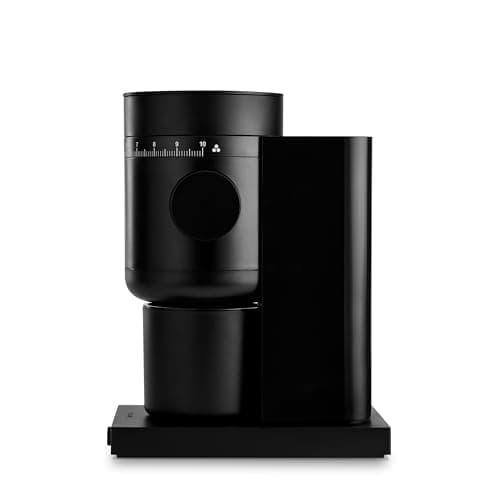
This is the big one, and it is a real limitation rather than a quibble. The plain Encore is built for filter: its finest setting is not fine enough, or repeatable enough in small steps, to dial in a shot. If there is any chance you will buy an espresso machine, an Encore is a grinder you will replace. The Encore ESP is Baratza's own answer — it adds micro adjustment on top of the macro dial and the range to reach espresso-fine — and the Fellow Opus 2, Breville Smart Grinder Pro, KINGrinder K6 and TIMEMORE C3 ESP all cover espresso too. Encore vs Encore ESP is the in-family comparison, and espresso grind size explains how narrow the target is.
Reason two: the price, or the stock
The Encore is not expensive for what it is, but it is several times the price of a blade grinder, and it is a specialty-retail product that goes in and out of stock. If what you need is a real burr grind for filter coffee at the lowest sensible price, the OXO does that job for meaningfully less, and the TIMEMORE C3 ESP does it better for about the same money if you are willing to turn a handle.
Reason three: you want better grind quality, not just different
Here is the uncomfortable physics: at and below the Encore's price, hand grinders grind better. A manual grinder spends its entire budget on burrs and alignment — no motor, no housing, no electronics — so the TIMEMORE C3 ESP and the KINGrinder K6 carry steel burrs that out-perform every electric grinder at the same price, including the Encore. What you pay for that is your forearm, every morning. Hand grinder vs electric is the honest trade-off.
Reason four: workflow
The Encore is a hopper-and-switch grinder: you fill the hopper, flip the toggle, and some grounds stay inside between uses. If you want a timed dose, or grinding straight into a portafilter, or single-dosing with nothing retained, the Breville Smart Grinder Pro and the Fellow Opus 2 are built around those workflows respectively.
What each alternative matches it on
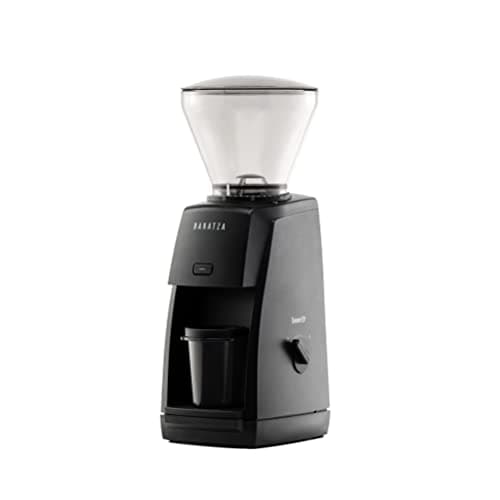
Baratza Encore ESP — matches on everything and fixes the one thing. Same conical-burr platform, same Baratza repairability with every part sold individually, and enough fine range to grind for espresso as well as filter, so one grinder covers both worlds for years. Honest cons: it is not a single-dose grinder, so a little retention leaves a few stale grams between different beans; and for espresso-only use, dedicated espresso grinders offer finer, stepless adjustment at a higher price. Full detail in our Encore ESP review.
Fellow Opus 2 — matches on range and beats it on workflow. Fellow publishes a full espresso-to-cold-brew range on 48 mm conical burrs, a stepless side dial lets you chase a shot in tiny increments rather than clicking between fixed steps, and near-zero retention means the dose you weigh in is the dose you brew. An integrated ionizer kills the static mess and it shuts off automatically. Honest cons: 48 mm conical burrs are a step below the 64 mm flat burrs in Fellow's own Ode for pure filter evenness; and single-dosing means a weighing step every brew, with none of the hopper-and-timer convenience the Encore has. Our Fellow Opus 2 review covers it, and single-dose grinders explains the workflow.
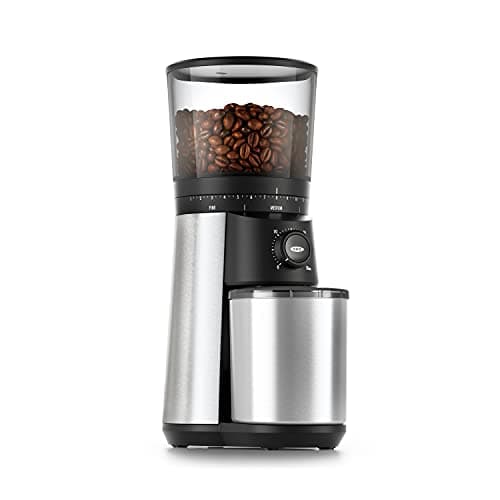
OXO Brew Conical Burr Grinder — the budget pick, and the one that matches the Encore on its actual day job. A real conical burr grinder with 15 settings plus micro-adjust, a timer for repeatable dosing, and a 12 oz hopper, for well under the Encore's price — an enormous upgrade over any blade grinder for drip and press. Honest cons: it does not grind fine or consistently enough for good espresso, so it is a filter grinder and nothing else; and it is not repairable the way a Baratza is — it is an appliance rather than a platform, which is precisely the premium you give up. Our OXO grinder review has the rest.
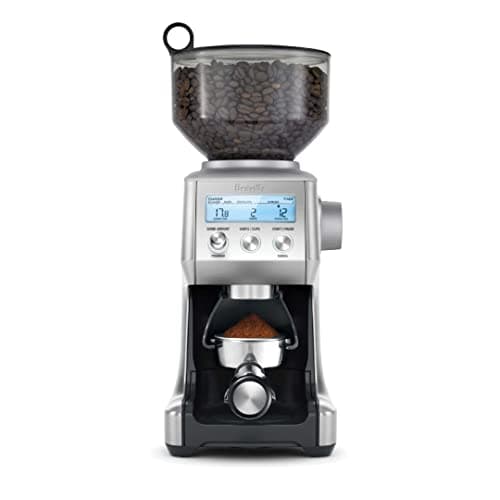
Breville Smart Grinder Pro (BCG820) — matches on versatility and beats it on dosing convenience. 60 settings spanning espresso to French press, a dose timer, and it grinds directly into a portafilter or a container — the most convenient workflow in home espresso, and the natural partner to a Breville machine. Honest cons: stepped adjustment is slightly coarser than a stepless espresso grinder, which is fine at home and limiting if you get obsessive; and it is not built to be rebuilt the way a Baratza is. See Encore ESP vs Smart Grinder Pro for the direct comparison.
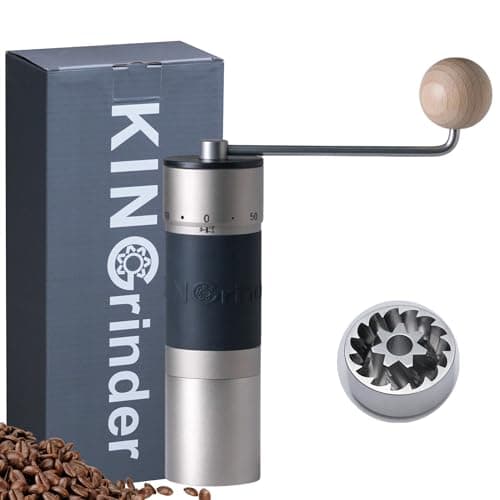
KINGrinder K6 — matches on consistency and undercuts it badly on price, if you will grind by hand. External numbered adjustment makes dialing in espresso far easier than grinders you set from inside the body, and the steps are fine and repeatable enough for real espresso rather than an afterthought. Honest cons: hand-grinding a fine espresso dose is genuine work, every single shot; and brand support and long-term reputation are thinner than TIMEMORE or 1Zpresso, so it is the value play rather than the safe-brand play. Our KINGrinder K6 review goes through it.
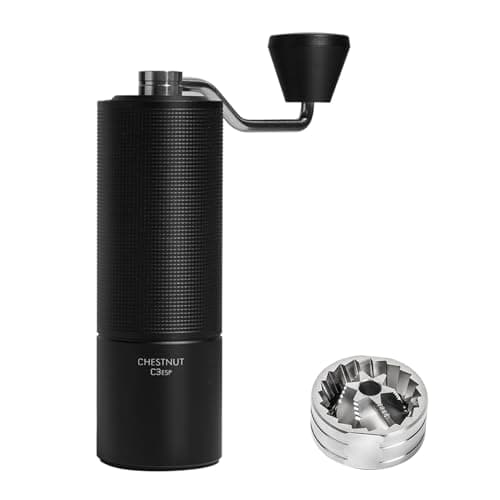
TIMEMORE Chestnut C3 ESP — the best grind per dollar on this page. Stainless S2C burrs in a tight body give a consistency that shames electrics costing twice as much, the ESP version adjusts fine enough for real espresso, and it is light and tough enough to travel. Honest cons: it is manual, so grinding a fine espresso dose by hand is an arm workout; and its single-dose capacity makes it a one-or-two-cups-at-a-time tool, so a full pot means grinding in rounds. Our TIMEMORE C3 review has the detail.
The verdict
Want the Encore but it needs to do espresso too: Baratza Encore ESP. Want the widest range and the cleanest single-dose workflow: Fellow Opus 2. Want a real burr grind for filter at the lowest price: OXO Brew Conical. Want to grind straight into a portafilter on a timer: Breville Smart Grinder Pro. Want espresso-capable grinding for the least money and do not mind the handle: KINGrinder K6 or the TIMEMORE C3 ESP. And the case for the plain Encore still stands: if you will only ever brew filter coffee and you want a grinder that a company will keep repairing for a decade, it is still the sensible default — nothing here matches Baratza on parts and service.
Decide the espresso question before you spend anything
Everything on this page hinges on one answer. Filter coffee is forgiving: a medium grind within a reasonable range makes good drip, press and pour-over, which is why an entry-tier grinder is genuinely enough. Espresso is not: it needs a fine grind adjusted in very small, repeatable steps, because a few microns change a shot from sour to bitter. A grinder without that fine, repeatable range is not a cheap espresso grinder, it is a filter grinder — which is the honest reason the plain Encore gets replaced so often. If there is any chance of an espresso machine in your future, buy the range now; best espresso grinder under $200 is the shortlist, and the grind size chart shows where each method sits.
Repairability is the premium you are deciding about
Strip the specs away and Baratza's real product is service. Parts sold individually, published repair guides, and a repair department that takes grinders well past the warranty. None of the non-Baratza picks here work that way: the OXO is explicitly an appliance, the Breville is not designed to be rebuilt, and the hand grinders are cheap enough that replacement is the repair. Over ten years one serviceable grinder can be cheaper than three replaced ones; over three years, with a hobby you may outgrow, it probably is not. That is the honest frame, and only you know which timeline you are on.
Burr size and type matter less than alignment at this price
Specification sheets invite you to compare burr diameters, and at the entry tier that is mostly a distraction. What actually decides consistency in a sub-$200 grinder is whether the burrs are held square to each other and whether the shaft wobbles under load — which is exactly why hand grinders punch above their price, since a rigid metal body with no motor is easier to hold in alignment than a plastic housing with one. Treat "40 mm" or "48 mm" as a rough class indicator, not a ranking. Burr vs blade covers the one comparison that genuinely is night and day.
Retention: the few grams you keep re-brewing
Hopper-fed grinders, including the Encore and the Encore ESP, keep a small amount of coffee inside the grind path between uses. For one bag of beans brewed daily this does not matter at all. It matters in two cases: if you switch between beans often, because the first few grams of the new bag are the old one; and for espresso, where a two-gram error in the dose is a visible change in the shot. If either applies, a single-dose grinder like the Opus 2 or any hand grinder removes the problem entirely, because you weigh in exactly what you brew.
Match the grinder to the brewer, not to the review score
A grinder that is excellent for espresso can be mediocre for French press, and the reverse is true too. If you brew one way, buy for that way and spend the saving on beans: best grinder for pour-over, best grinder for French press and best grinder for drip each rank the field for one method rather than in the abstract. If you brew several ways, the range picks here — the Encore ESP and the Opus 2 — are what you are paying extra for.
If you are pairing it with a cheap espresso machine
A point worth being blunt about: on a tight total budget, the grinder deserves more of it than the machine. A cheap machine fed freshly ground coffee out-performs one three times its price fed pre-ground, because pre-ground coffee channels instead of building resistance and the shot runs fast, thin and sour. If you are shopping both at once, read best espresso machines under $150 alongside this page and split the money with the grinder taking the larger half.
Clean it, or it will get worse at the job you bought it for
Coffee oils build up on burrs and in the grind path, and they go stale and rancid, which flattens the taste of everything you grind afterwards. It happens to every grinder here, and most owners never do it. A few minutes with a brush every couple of weeks is enough, and it will do more for your cup than moving one tier up the price list — how to clean a coffee grinder has the routine. If your current grinder got worse rather than being disappointing from the start, start here before you spend anything on this page.