The best espresso machine under $150 is the De'Longhi Stilosa (EC260) — it is for the person who wants a real pump, a real portafilter and a real steam wand for the least money, because it spends its entire budget on the espresso path and nothing on garnish. The budget pick is the AeroPress Original: not an espresso machine at all, but the cheapest thing on this page and, cup for cup, the best-tasting. Every pick below sat under $150 at the last price check (as of November 22, 2026) — the Quick Picks table carries each one's live price with the same stamp, so trust the table over this sentence if a number has moved.
Start with the uncomfortable part. Under $150 there is no espresso machine that is good in the way a $700 machine is good, and anyone telling you otherwise is selling something. A machine at this price has a small single-boiler or thermoblock heater, a plastic-heavy body, a pressurized basket that creates artificial back-pressure so the shot looks right even when the grind is wrong, and no grinder. What it genuinely does have is a pump that reaches real brewing pressure, which is the one thing that separates espresso from strong coffee. Buy knowing exactly that, and this band is a legitimate way in.
The criteria: what we ranked on
Four things decide this page, in this order.
1. Does it reach real brewing pressure? Espresso is defined by roughly nine bars of pressure driven through a fine, compacted bed of coffee. A pump machine does that; a stovetop moka pot reaches perhaps one to two bars; a hand press builds a few. All three make good coffee, but only the first makes espresso, and the distinction decides whether you get real crema and a true shot texture.
2. Can it steam milk, and how? If you drink lattes and cappuccinos, a machine with no steam wand is not a candidate. A manual wand asks for twenty seconds of technique and rewards you with genuinely better microfoam than any automatic system; a panarello-style wand foams rather than textures. Either beats nothing. How to steam milk is the skill, and it is learnable in a weekend.
3. What does it cost to run? A pod machine is the cheapest purchase here and by far the most expensive habit, because a capsule holds a small fixed dose and costs several times what the same coffee costs as beans. A machine you feed from a bag has almost no running cost beyond the coffee. Over a year this gap is larger than the difference between any two sticker prices on this page.
4. Is it honest about its ceiling? We rank a cheap machine that admits what it is above an expensive-looking one that implies more. A "20 bar" badge is a pump rating, not a quality signal — no good espresso is brewed at twenty bars, and the number tells you nothing about temperature stability, which is what actually decides the cup.
The picks, and what each one gives up
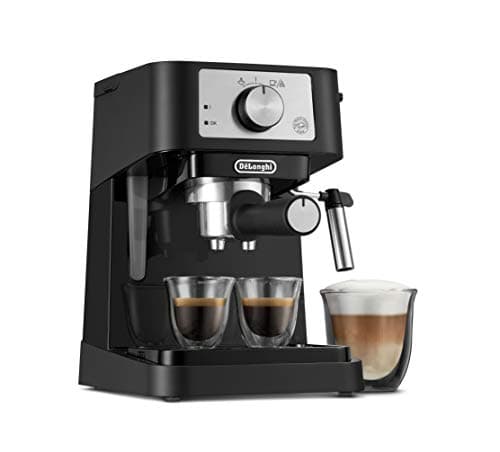
De'Longhi Stilosa (EC260) — the winner, on ruthless focus. A 15-bar pump, a real portafilter, a genuine manual steam wand and a tamper in the box, in a package small and light enough to put in a cupboard if the hobby does not stick. Honest cons, and they are real: no grinder, a single-walled basket, modest temperature stability, and a plastic-heavy build that feels its price. The shot ceiling is lower than the pricier machines and you will hear the difference the day you taste a $500 machine's output. Our Stilosa review goes through it in full, and Dedica vs Stilosa is the comparison to read if you are tempted to stretch one tier up.
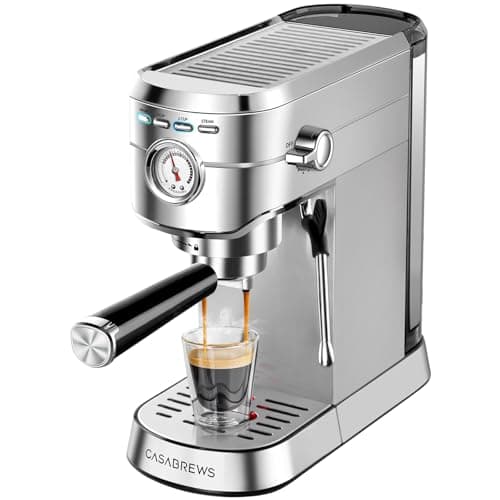
CASABREWS Compact Espresso Machine (CM5418) — the stainless-housed alternative at effectively the same money, and the pick if the Stilosa is out of stock or if you want the machine to look more expensive than it is. It has a steam wand for milk drinks and a compact footprint. Honest cons: CASABREWS rates it at 20 bar, which is marketing rather than a quality claim, and long-term reliability and parts support are thinner than De'Longhi, Breville or Gaggia — a meaningful difference when the thing you are buying is a small pump and a heater that will eventually need attention. Full detail in our CASABREWS CM5418 review.
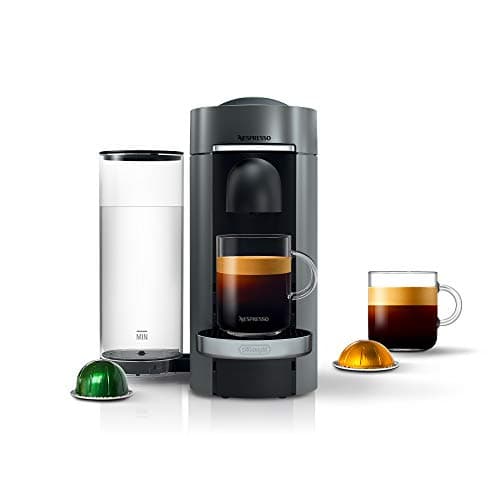
Nespresso Vertuo Plus — the pick for someone who wants a crema-topped cup at one button press and has no interest in technique. Drop in a capsule, press once, and the machine reads the barcode and brews the right size. It is compact, low-maintenance and genuinely the easiest coffee on this page. Honest cons: Vertuo capsules are proprietary with few third-party options and a high cost per cup, and centrifusion crema is not real espresso, so it will not satisfy anyone chasing an actual shot. Vertuo vs Original is worth reading before you buy into a capsule line, and Nespresso alternatives is where people land a year later when the capsule bill lands.
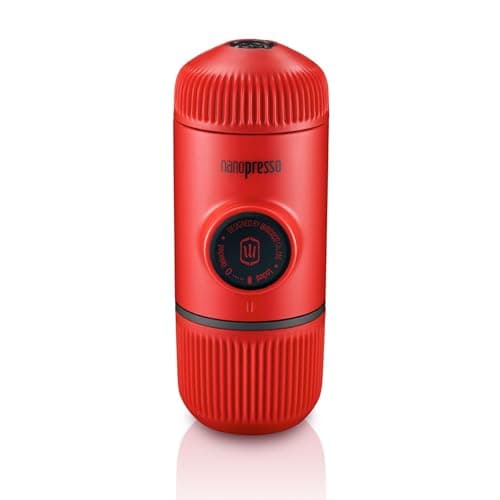
WACACO Nanopresso — the one genuine surprise in the band. WACACO rates it at 18 bar, hand-pumped, with no battery and no power of any kind, and it makes a legitimate crema-topped shot from ground coffee — which nothing else this size or this price does. Honest cons: small capacity and hand pumping make it a single-shot, one-at-a-time device, and consistency depends entirely on your grind and your technique, because it flatters nothing. Treat it as a travel or office setup rather than a kitchen machine. Our Nanopresso review covers the workflow, and manual espresso makers ranks the wider category.
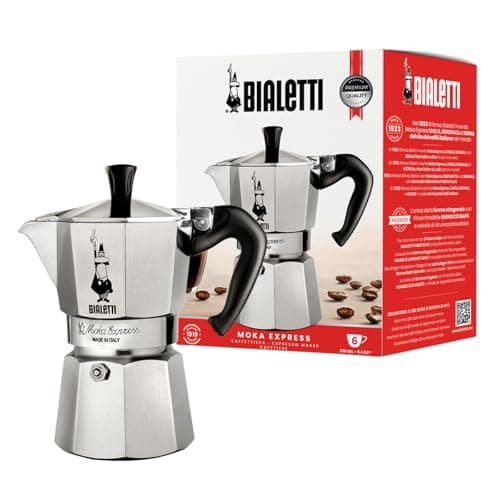
Bialetti Moka Express (6-Cup) — the stovetop icon, essentially unchanged since 1933, making a genuinely rich, concentrated coffee with nothing to plug in and gaskets available in every hardware store. For a fraction of the pump machines it delivers most of the intensity people actually want from espresso. Honest cons, and they are the reason it is not higher on an espresso page: it brews at around one to two bar rather than nine, so there is no true crema and the profile is bolder and more bitter; and the aluminum body is not induction-compatible, so induction cooktops need the stainless Induction Venus instead. Moka pot vs espresso machine sets expectations properly, and our Moka Express review has the brewing routine.
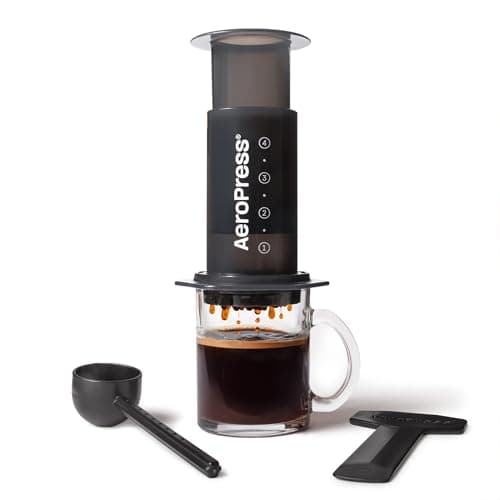
AeroPress Original — the budget pick, and the pick that abandons the format. Immersion plus hand pressure through a paper micro-filter gives a clean, low-bitterness cup in about two minutes, cleanup is ten seconds, and the body shrugs off drops that would destroy a glass brewer. Honest cons: it is not a true espresso maker, building a few bars by hand rather than nine, so there is no proper crema; and it makes one or two cups at a time. If what you want from espresso is a small, strong, excellent cup rather than the specific drink, this is the most coffee per dollar on the page — see best AeroPress for the model differences.
What $150 does not buy, at any price
Four things, and it is worth naming them before you spend. It does not buy a grinder — not built in, and not in the budget alongside the machine, which is the single most common reason a cheap espresso setup disappoints. It does not buy temperature stability: a small thermoblock swings several degrees shot to shot, so two identical shots taste different and dialing in becomes guesswork. It does not buy a 58 mm commercial-style group or the accessory ecosystem that comes with one. And it does not buy an unpressurized basket, which means the machine will never tell you the truth about your grind, so you cannot improve past a point.
The verdict
Want real espresso with milk drinks for the least money: De'Longhi Stilosa. Same money, stainless housing, slightly thinner support: CASABREWS CM5418. Want a button and no technique, and the capsule cost does not bother you: Nespresso Vertuo Plus. Want a real crema-topped shot anywhere with no power: WACACO Nanopresso. Want the cheapest rich, espresso-style cup at home: Bialetti Moka Express. Want the best-tasting coffee on the page, full stop: AeroPress Original. And if this band feels like too many compromises, that is a fair reading — best espresso machine under $200 adds the Dedica's metal body and programmable volumes, and under $300 is where a machine stops feeling cheap.
The grinder is the real decision, not the machine
This is the part that decides whether a sub-$150 espresso setup makes you happy. Espresso needs a fine, even grind to build resistance against the pump. Pre-ground supermarket coffee is neither fine enough nor even enough, so the water finds channels instead of resistance, and the shot runs fast, thin and sour no matter which machine you bought. A cheap machine fed freshly ground coffee out-performs a machine three times its price fed pre-ground, every morning. If your total budget is $150, the honest allocation is often a hand grinder under $100 plus a moka pot or an AeroPress, rather than a pump machine and a bag of pre-ground. Espresso grind size explains how narrow the target actually is, and if you can stretch the grinder budget later, Baratza Encore alternatives maps the tier above.
Pressurized baskets: the training wheel to understand
Nearly every machine in this band ships a pressurized (dual-wall) basket, and it is worth knowing what that does. The basket has a single small hole behind the mesh, which creates artificial back-pressure independent of your grind, so even coarse or uneven coffee produces something that pours slowly and wears a layer of foam. That is deliberate, and it works: it is how a cheap machine flatters a bad grinder, and it is why a Stilosa is a gentler landing than an enthusiast machine. The cost is that the machine stops giving you feedback, so the usual advice — adjust the grind until the shot runs right — does not apply. What is a portafilter covers the mechanism in full.
Count your real cost per cup before you choose the pod machine
Run the arithmetic on your own habit rather than the sticker prices. Count the drinks you actually make in a week, then compare what a capsule costs against the same weight of coffee as whole beans. For one cup a day the annual difference is real but survivable; for two people at two cups each it is the largest number on this page by a wide margin, and it usually exceeds the entire price of the machine within the first year. That calculation, not the purchase price, is what should decide between the Vertuo Plus and the Stilosa. How much an espresso machine really costs works the whole total through, grinder and beans included.
Milk drinks: what each option can and cannot do
If you mostly drink lattes, flat whites or cappuccinos, this narrows fast. The Stilosa and the CASABREWS have steam wands, so they can do the whole drink from one appliance. The Vertuo Plus does not froth milk at all on its own — Nespresso sells a separate Aeroccino for that, which is a real addition to the budget. The Nanopresso, Moka Express and AeroPress have no milk system whatsoever, so a latte habit means buying a milk frother alongside, and a handheld one costs very little. Price the drink you actually order, not the machine.
Buy a scale before you buy an upgrade
The cheapest meaningful improvement to a cheap espresso setup is not a better machine, it is knowing your numbers. Weighing the dose in and the shot out turns espresso from guesswork into a recipe you can repeat and adjust, and it costs a fraction of any machine here. A budget coffee scale with a timer is enough, and how to dial in espresso is the routine to run with it. People who add a scale to a cheap machine usually stop wanting an expensive one for a year or two.
When to skip this band entirely
Two cases. First, if you already know espresso is going to stick — you drink it daily, you have opinions about roasts, you have watched the videos — you will outgrow everything here within months and end up buying twice. Start at the best espresso machines for beginners instead, where the money goes into temperature stability and a real basket. Second, if what you actually want is good coffee rather than the specific drink called espresso, a manual brewer plus a decent grinder beats everything on this page for the same total spend, and best cheap coffee makers ranks that field honestly.